

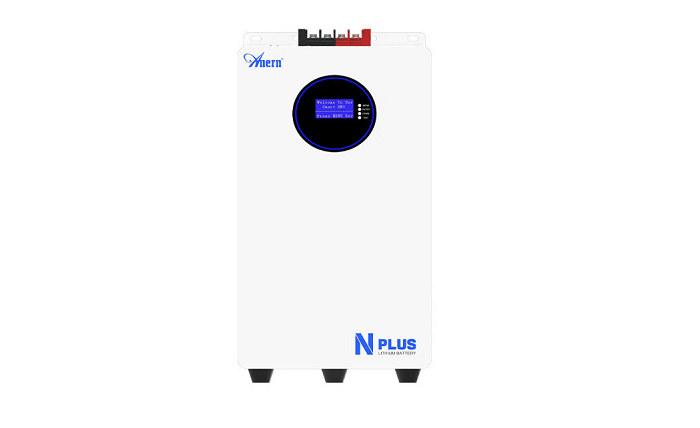
As the world embraces renewable energy solutions, home solar installations are surging, with global residential solar capacity growing by 35% annually. However, maximizing solar power’s potential requires reliable energy storage – a challenge that has frustrated homeowners for years. Traditional battery systems often fail to deliver consistent performance, leading to wasted solar potential and unexpected power gaps. Enter the 24v lithium ion battery, a game-changing technology that’s revolutionizing home solar storage. These advanced systems offer unprecedented efficiency, longer lifespan, and superior reliability compared to conventional options. For homeowners looking to achieve true energy independence while maximizing their solar investment, understanding the advantages of 24V lithium-ion technology is crucial. This comprehensive guide will walk you through everything you need to know about choosing the right battery solution for your home solar system, ensuring you make an informed decision that delivers lasting value.
The Solar Storage Challenge: Why Traditional Batteries Fall Short
Traditional lead-acid batteries, while historically common in solar storage applications, present significant limitations that hinder optimal solar energy utilization. These batteries typically operate at just 50% depth of discharge, effectively cutting their usable capacity in half compared to rated specifications. Their relatively short lifespan of 3-5 years means homeowners face frequent replacement cycles, driving up long-term ownership costs substantially. The inefficiency of lead-acid technology results in energy losses of up to 25% during charging and discharging cycles, wasting valuable solar power that could otherwise power your home. Maintenance requirements are particularly burdensome, demanding regular water level checks, terminal cleaning, and specific gravity testing to prevent premature failure. The physical footprint poses another challenge – lead-acid batteries require dedicated climate-controlled spaces three times larger than modern alternatives, while their heavy weight often necessitates structural reinforcement of installation areas. These combined limitations create a frustrating experience for homeowners seeking reliable, efficient solar storage solutions.
Lithium Batteries Revolution: Core Advantages for Solar Systems
Superior Performance Metrics Explained
Lithium-ion batteries represent a quantum leap in energy storage technology, offering up to four times higher energy density compared to traditional lead-acid batteries. This translates to more power storage in a significantly smaller footprint. Unlike lead-acid batteries that experience voltage sag during discharge, lithium-ion batteries maintain stable voltage output until nearly depleted, ensuring consistent power delivery to your home appliances. Energy retention is exceptional, with self-discharge rates below 3% monthly, compared to 15-20% for lead-acid alternatives. Furthermore, lithium-ion batteries maintain optimal performance across a wider temperature range, from -4°F to 140°F, eliminating the need for costly climate control systems.
Deep Discharge Cycles: Maximizing Your Solar Investment
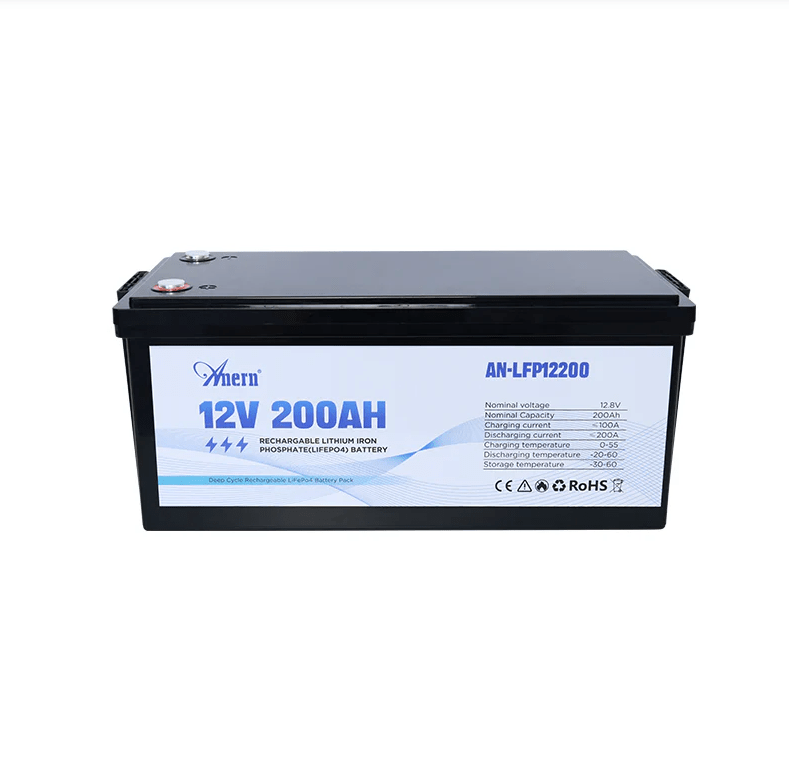
The depth of discharge (DoD) represents how much of a battery’s capacity can be safely used without damaging the cells. Modern lithium-ion batteries support 80-100% DoD, effectively doubling the usable capacity compared to lead-acid batteries limited to 50% DoD. This superior cycling capability extends to longevity – while lead-acid batteries typically last 500-1,000 cycles, lithium-ion batteries deliver 6,000-8,000 cycles at deep discharge levels. This translates to approximately 15-20 years of daily cycling, maximizing the return on your solar investment by ensuring nearly all captured solar energy can be stored and utilized effectively.
24V Lithium Ion Specifics: Ideal Voltage for Home Solar
The 24V lithium-ion battery configuration emerges as the optimal choice for residential solar installations, striking the perfect balance between system efficiency and practical application. Unlike 12V systems that require thicker cables and suffer from higher power losses when scaling up, 24V systems maintain efficiency while handling larger power demands. This voltage level also proves more efficient than 48V systems for typical home loads, which primarily operate on 24V or lower, eliminating unnecessary conversion losses. Most modern solar inverters are specifically optimized for 24V battery integration, ensuring seamless compatibility and maximum power transfer efficiency. The reduced current flow at 24V, compared to 12V systems, results in up to 50% less heat generation and lower cable costs while maintaining safer operating conditions. For expanding energy needs, 24V systems offer exceptional scalability – additional battery modules can be easily connected in parallel without compromising system stability or requiring expensive electrical upgrades. This voltage standard also provides ideal power delivery for common household appliances, from refrigerators to HVAC systems, maintaining stable output without the need for multiple conversion stages. The reduced amperage at 24V compared to 12V systems means thinner cables can be used while still delivering the same power, making installation simpler, more cost-effective, and inherently safer due to reduced fire risk from potential short circuits.
Cost-Benefit Analysis: Long-Term Savings Unveiled
While 24V lithium-ion batteries require a higher initial investment compared to traditional lead-acid systems, their long-term economic benefits far outweigh the upfront costs. A comprehensive 10-year cost analysis reveals that lithium-ion systems typically cost 40% less to own and operate over their lifetime. This calculation factors in the elimination of replacement costs, as lithium batteries last 15-20 years compared to the 3-5 year lifespan of lead-acid alternatives. The superior efficiency of lithium technology translates to approximately 25% more usable energy from your solar panels, generating additional savings of $800-1,200 annually for the average household. Energy independence becomes more attainable through various financial incentives, including the federal solar tax credit covering 30% of battery costs, state-level rebates ranging from $2,000 to $5,000, and utility company incentives that can reduce initial costs by up to 50%. When factoring in reduced maintenance requirements, eliminated replacement costs, and improved energy capture, homeowners typically achieve complete return on investment within 5-7 years, while enjoying two decades of reliable performance. The increasing frequency of power outages and rising electricity rates further enhance the value proposition, making 24V lithium-ion batteries an economically sound investment for long-term energy security.
Selecting Your High-Performance Battery: Buyer’s Guide
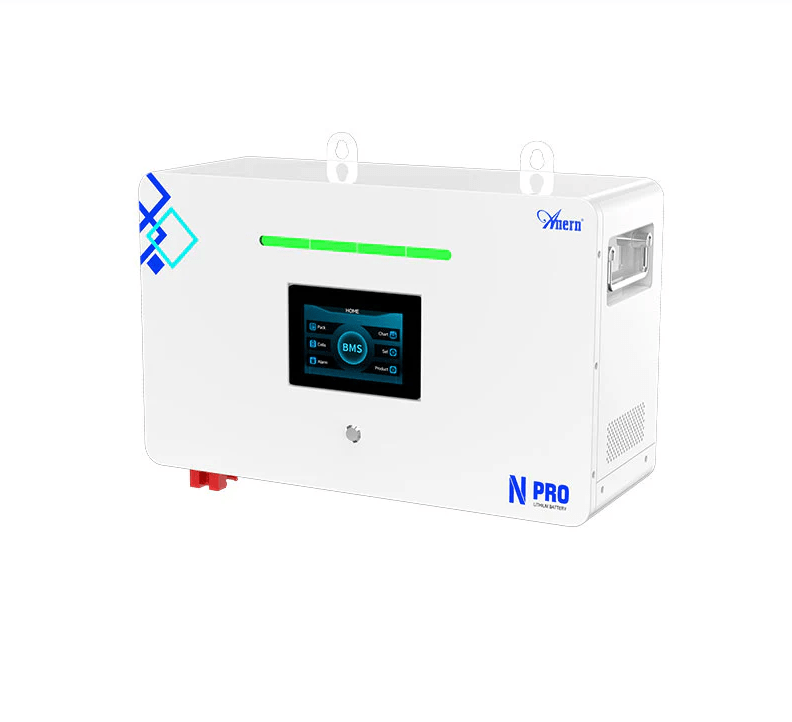
Choosing the right 24V lithium-ion battery system requires a systematic approach to ensure optimal performance for your specific needs. Begin by calculating your daily energy consumption – multiply your average hourly power usage by 24 and add 20% buffer for peak demands. Most households require between 20-40kWh daily capacity. Next, evaluate battery specifications focusing on cycle life ratings and warranty coverage. Leading manufacturers like Anern offer systems with at least 6,000 cycles and comprehensive 10-year warranties as minimum benchmarks. The battery management system (BMS) forms your system’s core intelligence – prioritize features like cell balancing, temperature monitoring, and overcharge protection. Leading BMS systems should offer remote monitoring capabilities and automatic safety shutoffs. When assessing manufacturers, verify UL certification compliance and review independent testing results. Check for ISO 9001 manufacturing standards and ensure the brand maintains local service networks. Finally, consider future expansion needs – select systems with modular designs allowing additional battery banks without requiring complete system overhauls. The ideal battery should support at least 50% capacity expansion through parallel connection while maintaining balanced charging and discharging across all units.
Installation & Maintenance Simplified
Installing a 24V lithium-ion battery system demands careful attention to safety and proper setup procedures. While professional installation is recommended, informed homeowners can understand the key requirements. Installation begins with selecting a dry, temperature-controlled location, ideally in a garage or utility room with ambient temperatures between 50-85°F. Proper ventilation requires at least 6 inches of clearance around all sides of the battery bank. For safety, install batteries at least 4 feet from heat sources and ensure mounting surfaces can support the system weight. The monitoring system setup involves connecting the battery management system to your home’s Wi-Fi network, enabling remote performance tracking through smartphone apps. Unlike traditional batteries, lithium-ion systems eliminate monthly maintenance tasks – no water topping, no terminal cleaning, and no specific gravity checks. However, annual visual inspections should check for secure connections, proper ventilation, and system alerts. The built-in BMS handles cell balancing and protection automatically, making these systems truly set-and-forget solutions for reliable home energy storage.
The Future of Home Energy Storage
The transition to 24V lithium-ion batteries represents a decisive step forward in home solar energy storage. These advanced systems have fundamentally transformed how homeowners can harness and utilize solar power, offering unmatched efficiency with 80-100% depth of discharge and an impressive 15-20 year lifespan. While the initial investment may seem substantial, the long-term financial benefits are compelling – from eliminated maintenance costs to enhanced energy capture that can save thousands annually. The technology’s superior performance metrics, including stable voltage output and exceptional temperature resilience, make it the clear choice for reliable home energy storage. As electricity costs continue to rise and grid stability becomes increasingly uncertain, investing in a 24V lithium-ion battery system provides both immediate benefits and future-proof energy security. For homeowners ready to maximize their solar investment, consulting with qualified solar professionals can help design an optimized system that meets their specific needs. As battery technology continues to advance, early adopters of 24V lithium-ion systems are well-positioned to benefit from ongoing improvements while enjoying reliable, efficient, and sustainable home energy storage today.