

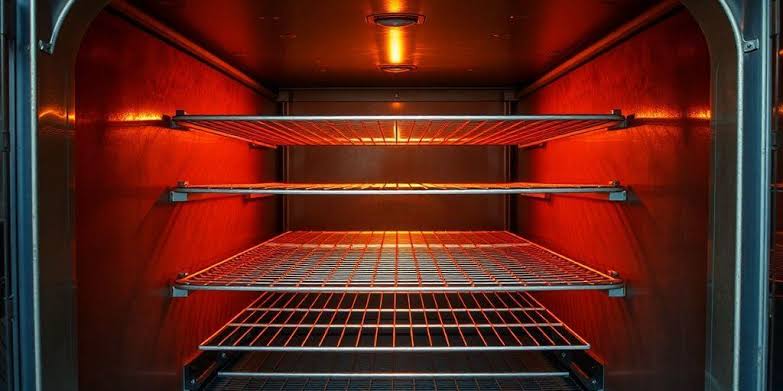
Accurate heat control keeps a powder coating line consistent from one batch to the next. Proper calibration confirms that the temperature shown on the controller matches conditions inside the chamber and, more importantly, the heat reaching the coated metal. Operators who check these values regularly can catch sensor drift, uneven airflow, and slow recovery before those problems lead to undercured or overheated parts.
Start by Checking What the Controller Is Actually Reading
Calibration begins by comparing the oven’s displayed temperature with a known, calibrated reference instrument. Technicians can place a traceable temperature probe near the oven’s control sensor and allow the chamber to stabilize before comparing both readings. Differences may point to sensor drift, wiring problems, probe placement, or a controller that needs adjustment. Reliable powder coating ovens should hold a repeatable setpoint, but regular verification confirms that the displayed number still represents actual chamber conditions.
Chamber Temperature and Metal Temperature Are Two Different Measurements
Air temperature tells only part of the story because coated metal warms at a different rate. Heavy steel, castings, and thick weldments may remain well below the chamber setpoint for several minutes after the surrounding air reaches operating temperature. Powder manufacturers generally base cure schedules on metal temperature for a specified length of time, so calibration should include the workpiece rather than stopping at the controller.
Thermocouples attached directly to representative parts show how quickly each load reaches its required cure range. Placement matters because thick sections, sheltered areas, and components near the edge of a rack may heat differently from thin or exposed surfaces. Businesses using Reliant powder coating ovens can build more dependable cure recipes by profiling real loads instead of assuming that every part follows chamber temperature at the same rate.
Use Several Measurement Points Across the Oven
Single-point measurements can miss hot and cold areas that affect coating performance. Multiple calibrated probes positioned near the front, center, rear, upper, and lower sections of the working space provide a better picture of temperature uniformity. Comparing those readings while the oven runs under normal load can reveal airflow restrictions, weak recirculation, or areas that take longer to stabilize. A Reliant industrial powder coating oven should be evaluated under realistic production conditions because an empty chamber can behave differently from one filled with racks and heavy parts.
Give the Oven Enough Time to Stabilize Before Making Adjustments
Quick adjustments made during warm-up can create misleading results. Burners cycle, fans move heat through the chamber, and cold metal absorbs energy at different rates during the first part of a production run. Allowing the system to reach a stable operating condition gives technicians a more useful baseline before changing controller offsets or other settings.
Repeated testing also helps separate a true calibration problem from normal cycle movement. Recorded readings taken over several heating cycles can show whether the same temperature difference appears consistently or only during door openings and load changes. Shops comparing Reliant powder coating equipment for sale can use this type of performance data to determine whether an existing oven needs calibration, maintenance, or greater heating capacity.
Check Airflow Before Blaming the Temperature Controls
Blocked circulation can make a properly calibrated controller appear inaccurate because the sensor may sit in a warmer area than the parts. Large panels, crowded racks, dirty filters, worn fan components, or poorly positioned loads can redirect heated air and create cooler sections inside the chamber. Inspecting airflow before changing temperature settings prevents technicians from compensating for a circulation problem with excessive heat. Reliant powder curing ovens work best when operators maintain clear recirculation paths and load parts with enough spacing for heated air to move around them.
Recalibrate After Repairs, Sensor Changes, or Major Process Changes
Maintenance work can alter temperature readings even when the oven appears to operate normally. Replacing a thermocouple, controller, burner component, fan, or wiring section gives the shop a good reason to verify calibration before returning to full production. Changes in rack design or average batch weight can also affect the relationship between chamber temperature and actual cure time.
Seasonal production shifts deserve attention as well. Colder incoming parts may need longer to reach peak metal temperature, while heavier new products can change burner recovery and heat distribution across the chamber. A Reliant powder coating equipment package can help businesses coordinate booth capacity, handling methods, and curing requirements, while broader Reliant powder coating systems allow those process changes to be considered together rather than treating the oven as an isolated machine.
Keep Calibration Records Instead of Relying on Memory
Written records make heat control easier to manage over time because technicians can compare current readings with previous profiles. Dates, probe locations, controller settings, batch type, metal temperature, and correction values create a useful history that can expose gradual sensor drift or recurring cold zones. Reliant Finishing Systems can help manufacturers choose powder curing ovens that fit their part sizes, production volume, cure requirements, and available floor space. Their team can help compare oven dimensions, heating capacity, airflow, controls, and loading needs so the equipment works with the rest of the finishing process. Reliant can also support businesses planning a new system or replacing an older oven with equipment better suited for consistent curing and future production growth.