

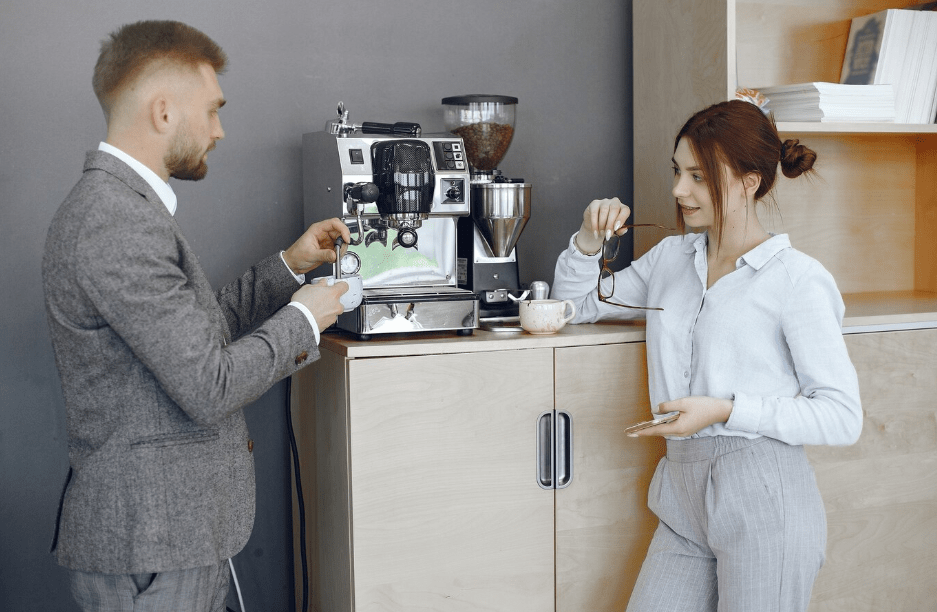
Equipping a commercial coffee space involves more than just selecting a nice espresso machine. It’s about choosing the right tools—both big and small—to ensure consistency, efficiency, and top‑quality brews. From filtration to grinders, every element plays a crucial role in delivering great coffee and ensuring customer satisfaction.
Understanding the Total Investment
Opening a coffee shop isn’t cheap. Industry data shows that equipment alone can cost between $80,000 and $300,000 during startup, depending on capacity and quality. Considering the U.S. coffee shop market value is consistently growing, the right setup is essential to tap into this booming demand. Investing in Premium coffee brewing equipment ensures reliable performance and lowers long‑term operating costs, setting your shop up for success.
Core Components of Equipment Setup
These are the core components of the equipment setup:
Espresso Machine & Group Heads
Commercial espresso machines form the heart of any café. Designed for high-volume and busy workflows, they provide consistency, temperature stability, and multiple group heads.
Boiler Systems: Single vs. Multi‑Boiler vs. Heat‑Exchanger
Single‑boiler machines are cost‑effective but can slow service during simultaneous steaming and brewing. Heat‑exchanger models allow back‑to‑back shots but may fluctuate in temperature. Dual-boiler systems provide dedicated boilers for steaming and brewing, ideal for busy shops, albeit at a higher price.
Capacity & Build Quality
Machines with two or three group heads can handle hundreds of drinks daily. Investing in a solid, domestically serviced machine saves money in repair downtime and replacement parts.
Integrated Features
Look for models with programmable shot volumes, cool‑touch steam wands, and PID temperature control to support consistency across baristas and shifts.
Grinders: Matching Your Machine
A perfect espresso shot starts with the grind. Commercial grinders offer high output, precise dosing, and ultra‑fine burrs.
Dedicated Espresso Grinder
Espresso requires a dedicated grinder capable of precision to within fractions of a second in shot time. Burr quality matters: flat or conical steel/ceramic burrs offer uniformity and longevity.
Batch‐Brew Grinders
For drip coffee or batch brews, larger hopper grinders with coarser settings ensure quick volumes and consistent flavor.
Calibration & Maintenance
Regular calibration and burr replacement—every few months depending on volume—are critical to maintaining taste quality and throughput.
Water Filtration & Treatment
Since coffee is over 90% water, its quality has a profound impact on both the taste and the lifespan of your equipment.
Types of Filtration Systems
Commercial setups often employ multi-stage systems that combine sediment, carbon, softening, and reverse-osmosis filtration. These remove chlorine, sediments, and control mineral content to protect equipment and enhance flavor.
Plumbed‑In vs. Reservoir Systems
Larger cafés usually opt for plumbed‑in systems with softeners and RO units. Smaller or mobile setups may use filtered reservoirs with regular testing to maintain ideal mineral balance.
Warranty Protection
Many machine warranties are void if water treatment specs aren’t met, so choosing a reliable system not only improves flavor but also safeguards against voided coverage.
Workflow & Workflow Accessories
These are the workflow and workflow accessories:
Barista Tools
Even small accessories impact consistency and speed. These include tampers, scales, timers, knock boxes, milk pitchers, thermometers, dosing cups, and cleaning cloths. While seemingly minor, these tools support efficient and repeatable results, contributing to a clean and confident barista process.
Batch Brew & Cold Brew Gear
Offering brewed coffee and cold brew requires separate equipment. Batch brewers (e.g., Marzocco or Fetco) and cold brew systems need chill storage and dedicated filters, so planning physical space is key.
Water Boiler / Hot Water Dispenser
Offering tea or an Americano requires near‑boiling hot water on demand. Underdimensioned boilers cause service lags; look for models sized to your projected drink volume.
Supporting Infrastructure: Beyond the Drink
Beyond the drink, there is infrastructure that ensures consistent drink production:
Electrical & Plumbing Considerations
Power requirements for espresso machines (often 220V, 30A+), grinders, dishwashers, and refrigerators necessitate sufficient circuits and dedicated plumbing, particularly for plumbed-in filters and direct-drain equipment.
Ventilation & Steam Management
Steam wands produce significant moisture. A hood or extractor fan above the machine area helps maintain good air quality and prevents moisture damage.
Refrigeration & Storage
Refrigerators and under-counter coolers are essential for storing milk, cold brew, and batch coffee. Shelving for beans, cups, syrups, and cleaning supplies must be easily accessible and well-organized.
Maintenance & Lifecycle Planning
Here is how maintenance and lifecycle planning should go:
Regular Maintenance
Daily cleaning, back-flush cycles, weekly maintenance of the group head and steam wand, and periodic deep servicing are essential to maintaining consistent operation and taste integrity.
Scheduled Servicing
Commercial machines require semi‑annual or annual technician service—cleaning boilers, replacing seals, and calibrating—but done proactively, this prevents costly downtime.
Part Longevity & Replacement
Plan for burr replacements, gasket changes, and potentially expiring filtration cartridges. These are normal expenses that impact both taste and equipment life.
Budgeting & Cost Efficiency
Let us have a look at budgeting and cost efficiency regarding coffee equipment:
Upfront vs. Ongoing Costs
Espresso machines and grinders are major capital investments, while monthly costs include cleaning supplies, filter cartridges, electricity, and repairs.
Financing vs. Leasing
To preserve cash flow, some shops lease equipment. However, purchasing often works out cheaper long term—plus, owning improves asset value if upgrades are needed later.
Choosing Value vs. Cutting Corners
Using Premium coffee brewing equipment might feel costly at first, but it pays off in reduced downtime, lower maintenance, consistent customer experience, and stronger brand reputation.
Setting Up for Scale: Growth‑Ready Planning
Make sure you perform growth-ready planning:
Modular & Scalable Design
Choose equipment that grows with demand. For instance, start with one or two group heads and plan space for a third later. Similarly, opt for a grinder system with expandable hopper capacity.
Training & Staff Workflow
Invest in barista training on maintenance, calibration, and equipment operation. A well‑trained team reduces waste, speeds service, and consistently delivers quality.
Tech & POS Integration
Modern POS, inventory tracking, and staff scheduling software—supported by a stable internet connection—empower data-driven decisions for ordering, staffing, promotions, and menu expansion.
Measuring Success: KPIs & Optimization
Here is how you can actually measure success:
Consistency in Extraction
Track drink pull times, yields, and tasting notes daily. Minor variances often point to grinder adjustments or calibration issues.
Service Time Monitoring
Timeliness matters. Track order prep times to identify bottlenecks—are grinders clogged? Are steam wands inefficient? Fixing these improves throughput and customer satisfaction.
Cost Tracking & ROI
Use your POS and inventory tools to monitor ingredient costs, utility consumption, and maintenance expenses, and use that information against drink volume and revenue.
Conclusion
A comprehensive commercial coffee setup is more than just buying a shiny espresso machine. It’s about aligning everything—from water quality, equipment capacity, workflow design, maintenance routines, and scalability—to ensure every cup meets its highest potential. With thoughtful planning and the right gear, even a small café can compete on taste, speed, and reliability.
Building this setup showcases your expertise in understanding the mechanics behind exceptional coffee. Premium equipment investments, paired with intelligent workflows and maintenance, lead to consistent quality, customer trust, and long‑term profitability. Pro Coffee Gear ensures a well‑planned setup doesn’t just brew coffee, it builds a reputation.