

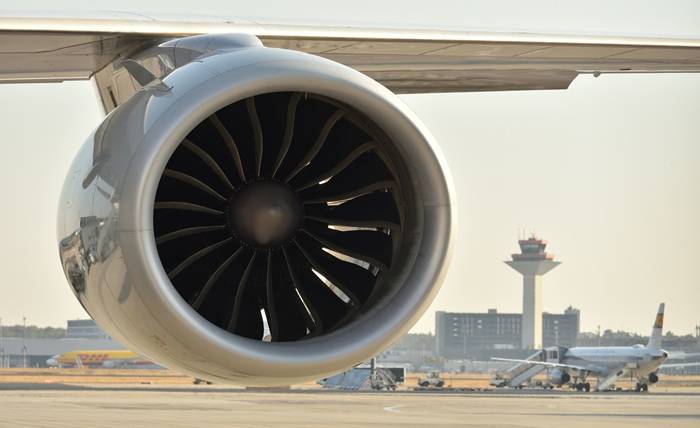
Aircraft efficiency is a critical focus within the aviation industry, influencing everything from operational costs to environmental impact and overall reliability. Whether in commercial aviation or private operations, maintaining optimal engine performance plays a central role in ensuring that aircraft operate safely and economically. Engine care is not limited to routine inspections, but also involves a thorough understanding of lubrication, thermal management, and long-term wear prevention. By applying disciplined maintenance practices and selecting the right supporting materials, operators can significantly enhance both performance and longevity.
The Role of Lubrication in Engine Performance
Proper lubrication is fundamental to aircraft engine efficiency. Engines operate under extreme temperatures and pressures, requiring specialized oils that can maintain stability without breaking down. These lubricants are designed to reduce friction between moving parts, prevent overheating, and carry away contaminants that accumulate during operation.
When lubrication is insufficient or degraded, friction increases and components begin to wear at an accelerated rate. This not only reduces efficiency but also increases the likelihood of mechanical failure. Using high-quality engine oil tailored to aviation requirements ensures smooth operation even under demanding conditions.
Modern aviation lubricants are engineered to maintain viscosity across a wide temperature range. This consistency allows engines to perform reliably during both cold starts and high-temperature cruising conditions. As a result, fuel efficiency improves because the engine can operate with less resistance and greater precision.
Reducing Engine Wear Through Consistent Maintenance
Routine maintenance is one of the most effective ways to improve aircraft efficiency. Engines that are regularly inspected and serviced perform more consistently and are less prone to unexpected issues. Maintenance programs typically include oil analysis, filter replacement, and inspection of key components such as turbines and bearings.
Oil analysis in particular provides valuable insights into engine health. By examining the composition of used oil, technicians can detect early signs of wear, contamination, or internal damage. This proactive approach allows operators to address minor issues before they escalate into major problems.
The choice of lubricant also plays a significant role in minimizing wear. Products such as 2197 Eastman engine oil are formulated to provide enhanced thermal stability and protection against oxidation. These properties help preserve engine components even under extended operating conditions, contributing to longer service intervals and improved overall efficiency.
Maintaining clean oil systems and replacing filters at appropriate intervals ensures that contaminants do not circulate within the engine. This attention to detail helps maintain optimal performance and prevents gradual declines in efficiency over time.
Enhancing Fuel Efficiency Through Engine Optimization
Fuel efficiency is directly linked to the condition and performance of an aircraft engine. Well-maintained engines operate more smoothly, allowing for precise combustion and reduced fuel consumption. Even small improvements in efficiency can result in significant cost savings over time, particularly for commercial operators managing large fleets.
Calibration and tuning are essential aspects of engine optimization. Ensuring that fuel delivery systems, ignition timing, and airflow are properly aligned allows the engine to operate at peak efficiency. When combined with proper lubrication, these adjustments minimize energy loss and enhance overall performance.
Temperature management also plays a crucial role. Engines that run too hot or too cold can experience inefficiencies that affect fuel consumption. High-quality lubricants contribute to stable operating temperatures by dissipating heat effectively. This balance allows engines to function within their optimal performance range, maximizing both efficiency and reliability.
In addition to mechanical considerations, pilot operating practices can influence engine efficiency. Smooth acceleration, steady cruising speeds, and adherence to recommended operating limits all contribute to reduced fuel usage and better engine health.
Managing Thermal Stress and Environmental Conditions
Aircraft engines are subject to significant thermal stress during operation. Rapid changes in temperature, especially during takeoff and climbing, can impact engine materials and performance. Proper engine care includes selecting lubricants that can withstand these fluctuations without degrading.
Thermal stability is particularly important in high-performance aviation engines. Oils that resist breakdown at elevated temperatures help maintain protective films over critical components. This protection reduces the risk of metal-to-metal contact and ensures consistent performance across varying operating conditions.
Environmental factors such as humidity, altitude, and air quality can also affect engine efficiency. Contaminants introduced through the air intake can accumulate within the engine, potentially impacting performance if not properly managed. Regular inspections and maintenance help mitigate these risks and ensure that engines remain in optimal condition.
Operators must also consider storage conditions when aircraft are not in use. Engines that sit idle for extended periods can experience oil settling or moisture accumulation, which may affect performance during the next operation. Proper preservation techniques help maintain readiness and efficiency.
Extending Engine Lifespan Through Preventive Practices
Improving efficiency is closely tied to extending the lifespan of aircraft engines. Preventive maintenance strategies focus on reducing wear, managing stress, and ensuring that all components function as intended. By addressing potential issues early, operators can avoid costly repairs and unplanned downtime.
Scheduled maintenance intervals are carefully designed to balance operational demands with performance needs. Adhering to these schedules ensures that engines receive the attention they require at critical points in their lifecycle. Skipping or delaying maintenance can lead to gradual degradation that ultimately impacts efficiency.
Documentation and record-keeping also play an important role. Tracking maintenance history, oil changes, and performance data allows operators to identify patterns and make informed decisions. This data-driven approach supports continuous improvement and helps maintain high standards of efficiency.
Training for maintenance personnel is equally important. Skilled technicians who understand the nuances of engine systems can identify subtle changes in performance and take appropriate action. Their expertise ensures that maintenance practices remain effective and aligned with industry standards.
Conclusion
Aircraft efficiency depends on a combination of precise engineering, disciplined maintenance, and informed operational practices. Proper engine care serves as the foundation for achieving consistent performance and long-term reliability. From selecting the right lubricants to implementing preventive maintenance strategies, every aspect of engine management contributes to overall efficiency.
By prioritizing lubrication quality, monitoring engine health, and addressing environmental challenges, operators can maximize the value of their aircraft while minimizing operational costs. A proactive approach to engine care not only enhances performance but also ensures that aircraft remain safe, dependable, and ready for the demands of modern aviation.