

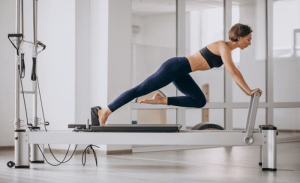
If you’re looking for a sustainable and effective way to lose weight, Pilates might not be the first option that comes to mind—but it should be. While it’s often associated with stretching and flexibility, Pilates is actually a powerful workout method that supports weight loss, improves body composition, and strengthens your core.
Let’s dive into how Pilates contributes to weight loss, why it works for all fitness levels, and how it compares to more intense workouts like running or HIIT.
What Is Pilates?
Pilates is a form of low-impact exercise that focuses on controlled movement, posture, breathing, and core strength. In addition to its other benefits, Pilates can help you lose weight by improving muscle tone and increasing overall calorie burn.
This method works on strengthening muscles, improving flexibility, and enhancing body awareness—all while reducing the risk of injury. While it may look gentle on the surface, Pilates can be physically demanding and highly effective, especially when practised consistently. Pairing pilates up with nitric oxide supplement along with a balanced diet will help you get in shape faster.
Does Pilates Help with Weight Loss?
The short answer: yes, it does—but in a slightly different way than high-intensity cardio. Pilates may not burn as many calories in a single session compared to running or cycling, but it builds lean muscle mass and boosts metabolism. When your body has more muscle, it burns more calories even at rest.
Additionally, Pilates improves posture and alignment, which can help reduce bloating and make your body look slimmer and more toned, even if the scale hasn’t shifted much yet.
In many cases, people notice changes in how their clothes fit before seeing big differences on the scale. That’s because Pilates helps improve muscle tone and reduce inches, which can lead to visible results.
Targeted Muscle Engagement
One of the key benefits of Pilates is how it targets the entire body, especially the core. Most exercises involve controlled movement that engages multiple muscle groups. This helps you build strength without bulking up, making it ideal for those who want to slim down and tone up.
Pilates movements also improve your mind-body connection, helping you become more aware of how your body moves and feels. That awareness often translates into better lifestyle habits, including improved posture, smarter food choices, and more balanced exercise routines.
Boosts Core Strength and Stability
Strong core muscles play a central role in nearly every form of physical activity. When your core is strong, your posture improves, your lower back pain can decrease, and your movements become more efficient. This improved functional strength can support more intense workouts and help prevent injury, which is crucial when pursuing long-term fitness goals like weight loss.
Supports Mental Wellness
Stress can be a major barrier to weight loss. When stress levels are high, the body produces more cortisol, a hormone that can lead to fat storage, especially around the midsection. Pilates helps address this by incorporating breathing techniques and mindful movement, which support relaxation and stress management.
A calm, focused mind can lead to better sleep, more energy, and improved motivation, all of which help you stick to a consistent workout and healthy eating plan.
Suitable for All Fitness Levels
One of the most appealing aspects of Pilates is that it can be adapted to suit anyone, from beginners to advanced athletes. Whether you’re recovering from an injury, just starting your fitness journey, or looking to level up your training, Pilates can be tailored to meet your needs.
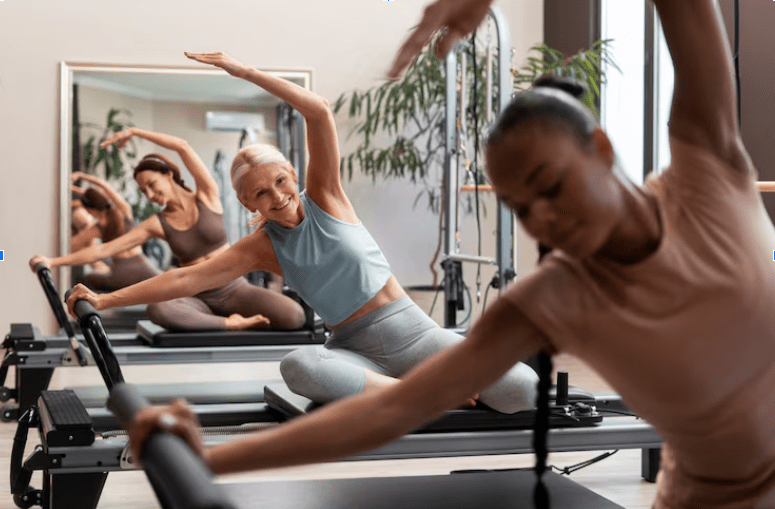
You don’t need fancy equipment either. While reformer Pilates uses machines, mat Pilates requires nothing more than a yoga mat. This makes it an accessible and affordable option, especially for people who prefer working out at home.
Combining Pilates with Other Workouts
While Pilates alone can support weight loss, combining it with other forms of exercise can deliver even faster results. For example, pairing Pilates with walking, swimming, or cycling can help increase your calorie burn and improve cardiovascular health. Meanwhile, Pilates continues to support your posture, stability, and strength.
Some fitness enthusiasts use Pilates on their rest days to stay active without overexerting their bodies. Its low-impact nature makes it perfect for recovery while still keeping muscles engaged.
Realistic Results and Long-Term Impact
Like any exercise programme, Pilates isn’t a quick fix. Consistency is key. Most people begin to see noticeable improvements in strength, flexibility, and muscle tone within a few weeks. Long-term practice leads to better posture, increased stamina, improved mobility, and healthier body composition.
The best part is that Pilates helps cultivate a stronger connection to your body. Many practitioners report increased confidence and self-awareness, which positively impacts their relationship with food and fitness overall.
Final Thoughts
Pilates may not be as intense as a high-speed treadmill session, but it offers something just as valuable: sustainable weight loss through strength, balance, and body awareness. It helps build lean muscle, improve posture, and enhance your overall sense of well-being—all without putting unnecessary strain on your joints.