

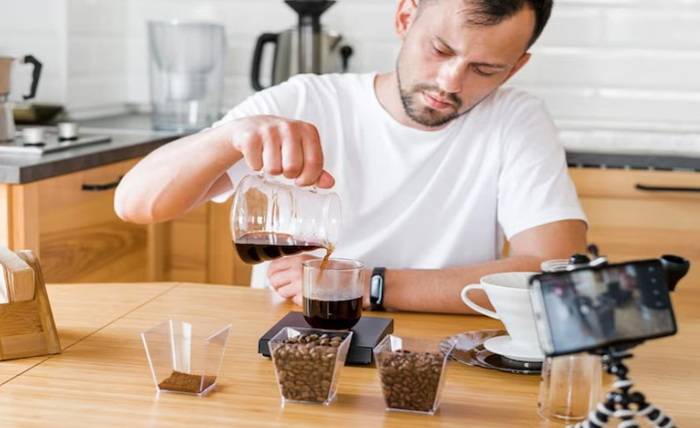
Filter coffee, also known as drip coffee, has gained popularity among coffee enthusiasts for its nuanced flavours and aromatic profile. Many coffee connoisseurs are exploring filter coffee as a way to experience the true essence of their favourite beans. The process of making filter coffee involves pouring hot water over finely ground coffee, which then drips through a filter. The method is simple yet allows for a great deal of control over the brewing parameters, which can significantly affect the flavour profile of the coffee.
The Basics of Filter Coffee
Filter coffee provides a delicate taste and allows for the full expression of the coffee beans’ characteristics. Unlike espresso or other brewing methods that use pressure to extract flavours, filter coffee relies on gravity. This slower extraction method results in an often lighter, more nuanced cup of coffee, making it beloved by many.
Equipment Needed for Brewing
To make filter coffee at home, one needs a few essential pieces of equipment. A coffee grinder, a kettle, a filter holder, and a scale are necessary tools. The coffee grinder is crucial because the freshness of the coffee beans greatly affects the taste. A burr grinder is ideal as it provides a consistent grind size, which is essential for uniform extraction.
Considerations in Filter Coffee Brewing
Several factors influence the final taste of filter coffee. The grind size, water temperature, brewing time, and coffee-to-water ratio are critical. Each of these elements can be adjusted to suit personal preferences. For instance, a finer grind size will typically lead to a stronger flavour, while a coarser grind can result in a milder cup.
The Importance of Grind Size
Grind size is one of the most significant factors in brewing filter coffee. A medium-coarse grind is commonly recommended, but it is important to adjust according to the particular brewing method and personal taste. The uniformity of the grind will ensure that water flows evenly through the coffee bed, avoiding over- or under-extraction.
Water Temperature and Its Impact
Water temperature is another crucial component. Ideally, the water should be heated to around 90 to 96 degrees Celsius. Too hot, and it may extract unwanted bitter compounds; too cold, and it may not extract enough flavour, resulting in a flat-tasting coffee.
The Coffee-to-Water Ratio
The coffee-to-water ratio is another key consideration. A standard starting point is a ratio of 60 grams of coffee for every litre of water. Adjusting this ratio can help fine-tune the strength and flavour of the coffee. It is essential to find a balance that highlights the coffee’s intrinsic qualities.
Filter Types and Impact on Flavour
The type of filter used can also influence the taste. Paper filters are known for producing a cleaner cup by trapping most of the coffee oils. Alternatively, metal filters allow more oils to pass through, which can enhance the flavour body but may also introduce more sediment.
Exploring Coffee Origins
Filter coffee enthusiasts often appreciate the ability to explore different coffee origins. Each coffee-producing region imparts distinct characteristics to the beans, from the fruity notes found in African coffees to the chocolaty undertones typical of South American beans.
Customising Brew Methods
Brewing methods such as the pour-over, automatic drip, or the Chemex each add their own dimension to filter coffee. The pour-over technique offers maximum control over every aspect of the brewing process, while automatic drip machines provide convenience and consistency.
The Place of Filter Coffee in Specialty Coffee Culture
In recent years, filter coffee has become an integral part of the specialty coffee movement. Its ability to highlight the subtleties of high-quality coffee beans makes it a favourite among coffee professionals and aficionados alike. It is a testament to how simplicity and attention to detail can lead to remarkable results.
Environmental Impact of Filter Coffee
Compared to other brewing methods, filter coffee may have a smaller environmental footprint. The use of reusable metal filters can reduce waste, and the equipment required tends to be more sustainable over the long term, given its simplicity and durability.
The Sensory Experience
The experience of enjoying a cup of filter coffee can be a deeply sensory one. With a focus on aroma and complex flavours, it encourages drinkers to slow down and appreciate the unique properties of each cup. This sensory appreciation is a cornerstone of the filter coffee experience.
Innovations in Filter Coffee
Innovation within the realm of filter coffee continues to evolve. Advances in technology and brewing techniques constantly contribute to improving consistency and enhancing flavours, making it an exciting time for both coffee novices and veterans.
Conclusion
Filter coffee, with its simplicity and emphasis on brew control, provides an engaging and rewarding coffee-making experience. By understanding and manipulating the variables involved, one can tailor their coffee to highlight specific flavours and characteristics. Whether you are new to coffee or a seasoned enthusiast, filter coffee offers an endless opportunity for exploration and enjoyment.