


The Ecuador national football team, known for its passionate fans and talented players, has made significant strides in international football. As a team that has grown in strength and recognition over the years, the Ecuador national football team continues to capture the hearts of football enthusiasts worldwide. In this comprehensive guide, we will delve into the history, achievements, key players, and future prospects of the Ecuador national football team. Whether you are a long-time supporter or new to following the team, this article will provide valuable insights into one of South America’s rising football nations.
History of the Ecuador National Football Team

The history of the Ecuador national football team is a tale of perseverance, growth, and success. Governed by the Ecuadorian Football Federation (FEF), the team has evolved significantly since its inception.
Early Years
The Ecuador national football team played its first official match in 1938. During the early years, the team struggled to make a mark in international football, often overshadowed by more established South American teams like Brazil, Argentina, and Uruguay.
Milestones and Breakthroughs
The 1990s marked a turning point for the Ecuador national football team. Under the guidance of coach Francisco Maturana, the team began to show promise. The breakthrough came during the 2002 FIFA World Cup qualifiers when Ecuador secured a spot in the tournament for the first time. This achievement was a significant milestone, showcasing the team’s potential on the world stage.
Continued Growth and Success
Ecuador’s qualification for the 2006 and 2014 FIFA World Cups further cemented its status as a competitive team in international football. The team’s consistent performance in the Copa América, South America’s premier football competition, has also highlighted its growth and development.
Achievements and Honors
The Ecuador national football team boasts several achievements and honors that reflect its progress and success over the years.
FIFA World Cup Appearances
Ecuador has qualified for the FIFA World Cup on four occasions: 2002, 2006, 2014, and 2022. The team’s best performance came in 2006, when they reached the Round of 16, showcasing their ability to compete at the highest level.
Copa América Performance
Ecuador’s participation in the Copa América has been marked by notable performances. While the team has yet to win the tournament, it has reached the quarterfinals on multiple occasions, demonstrating its competitiveness in South American football.
Youth Development and Success
Ecuador’s success is not limited to the senior team. The country’s youth teams have also achieved significant milestones, with the Under-20 team finishing third in the 2019 FIFA U-20 World Cup. This success underscores the depth of talent and potential within Ecuadorian football.
Key Players of the Ecuador National Football Team

The success of the Ecuador national football team can be attributed to the remarkable talents and contributions of its players. Here are some key figures who have left an indelible mark on Ecuadorian football.
Álex Aguinaga
Álex Aguinaga is widely regarded as one of the greatest Ecuadorian footballers of all time. Known for his vision, creativity, and leadership, Aguinaga played a pivotal role in Ecuador’s rise in international football. His contributions as a midfielder and captain were instrumental in the team’s success during the 1990s and early 2000s.
Agustín Delgado
Agustín Delgado, known as “El Tin,” is one of Ecuador’s all-time leading goal scorers. His prowess in front of goal and ability to score crucial goals made him a key player for the national team. Delgado’s performances in the 2002 and 2006 World Cups were particularly memorable, cementing his status as a national hero.
Antonio Valencia
Antonio Valencia, a versatile winger and right-back, has been one of Ecuador’s most successful players in the modern era. Valencia’s speed, strength, and technical ability earned him a move to Manchester United, where he enjoyed a highly successful career. His contributions to the Ecuador national football team have been invaluable, making him one of the most recognizable faces of Ecuadorian football.
Enner Valencia
Enner Valencia is another prominent figure in Ecuadorian football. Known for his goal-scoring ability and versatility, Enner Valencia has been a key player for both club and country. His performances in the 2014 World Cup and subsequent club career have made him a fan favorite and a crucial part of the national team.
Emerging Talents
The future of Ecuadorian football looks promising, with several young players emerging as potential stars. These players have shown great promise and are expected to make significant contributions to the national team in the coming years.
Gonzalo Plata
Gonzalo Plata, a dynamic winger, is one of Ecuador’s most exciting young talents. Known for his dribbling skills, pace, and creativity, Plata has already made a significant impact at both the club and international levels. His performances for Sporting CP and the national team have marked him as a player to watch.
Moisés Caicedo
Moisés Caicedo is a versatile midfielder who has quickly risen through the ranks of Ecuadorian football. Currently playing for Brighton & Hove Albion in the Premier League, Caicedo’s technical ability, vision, and composure have earned him praise from fans and pundits alike. He is seen as a key player for the future of the Ecuador national football team.
Piero Hincapié
Piero Hincapié is a young center-back known for his defensive skills and composure on the ball. Playing for Bayer Leverkusen in the Bundesliga, Hincapié has impressed with his performances and is considered one of the brightest prospects in Ecuadorian football. His development will be crucial for the national team’s defensive stability.
Managerial Influence
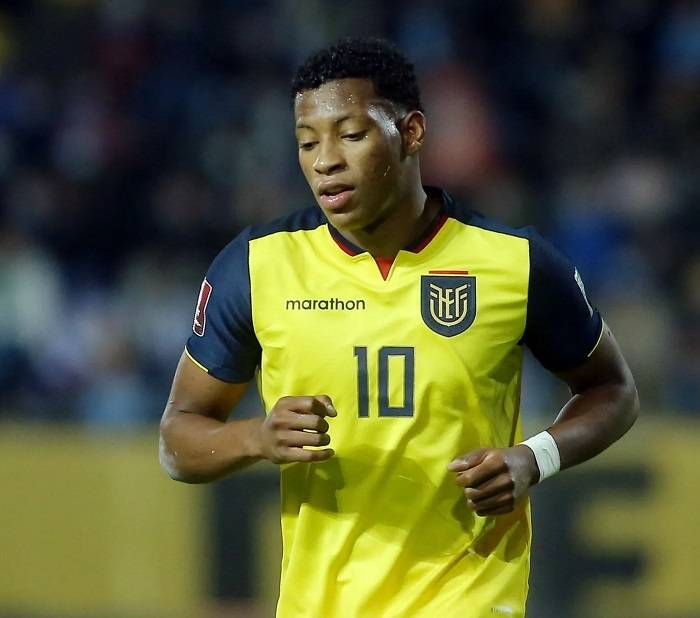
The success of the Ecuador national football team is also shaped by the strategies and leadership of its managers. Over the years, several managers have left their mark on the team, guiding it to numerous victories and honors.
Francisco Maturana
Francisco Maturana, a renowned Colombian coach, played a pivotal role in Ecuador’s early successes. His tactical acumen and ability to instill discipline and confidence in the team were instrumental in Ecuador’s qualification for the 2002 World Cup.
Hernán Darío Gómez
Hernán Darío Gómez, also known as “El Bolillo,” is another influential figure in Ecuadorian football. Under his guidance, Ecuador qualified for the 2002 and 2018 World Cups. Gómez’s experience and tactical knowledge have been vital in shaping the team’s playing style and strategy.
Gustavo Alfaro
Gustavo Alfaro, the current head coach, has brought stability and experience to the Ecuador national football team. With a wealth of experience managing clubs and national teams, Alfaro’s tactical knowledge and calm demeanor have been instrumental in the team’s recent successes, including qualification for the 2022 World Cup.
Tactical Approach
The Ecuador national football team’s tactical approach has evolved over the years, influenced by the playing style and philosophies of its managers.
Defensive Solidity
Traditionally, the Ecuador national football team has placed a strong emphasis on defensive solidity. The team’s defensive organization and discipline have been key factors in its success, allowing it to compete against some of the best teams in the world.
Counter-Attacking Play
Ecuador is known for its counter-attacking style of play, utilizing the speed and agility of its wingers and forwards to exploit opposition defenses. This approach has been particularly effective against stronger teams, allowing Ecuador to create scoring opportunities through quick transitions.
Versatility and Adaptability
The Ecuador national football team is known for its tactical versatility and adaptability. Managers have employed various formations and strategies, including 4-4-2, 4-3-3, and 3-5-2, to optimize the team’s performance. This flexibility allows Ecuador to adjust its approach based on the strengths and weaknesses of its opponents.
Cultural Significance and Fan Support
Football holds a special place in Ecuadorian culture, and the national team enjoys immense support from fans across the country. The passion and dedication of the fans play a significant role in motivating the players and creating an electrifying atmosphere at matches.
Football as a Cultural Phenomenon
In Ecuador, football is more than just a sport; it is a way of life. The passion for the game transcends generations, with families and communities coming together to support the national team. This cultural phenomenon is evident in the colorful and vibrant displays of support during matches.
The Role of “La Tri”
The Ecuador national football team, known as “La Tri,” symbolizes national pride and unity. The team’s success brings joy and a sense of achievement to millions of Ecuadorians. The iconic yellow, blue, and red colors of the national team are a source of pride and are prominently displayed by fans.
Iconic Venues
Ecuador is home to several iconic football stadiums that have hosted historic matches. The Estadio Monumental Isidro Romero Carbo in Guayaquil and the Estadio Olímpico Atahualpa in Quito are among the most famous stadiums in the country. These venues have witnessed numerous memorable moments in Ecuadorian football history.
Future Prospects
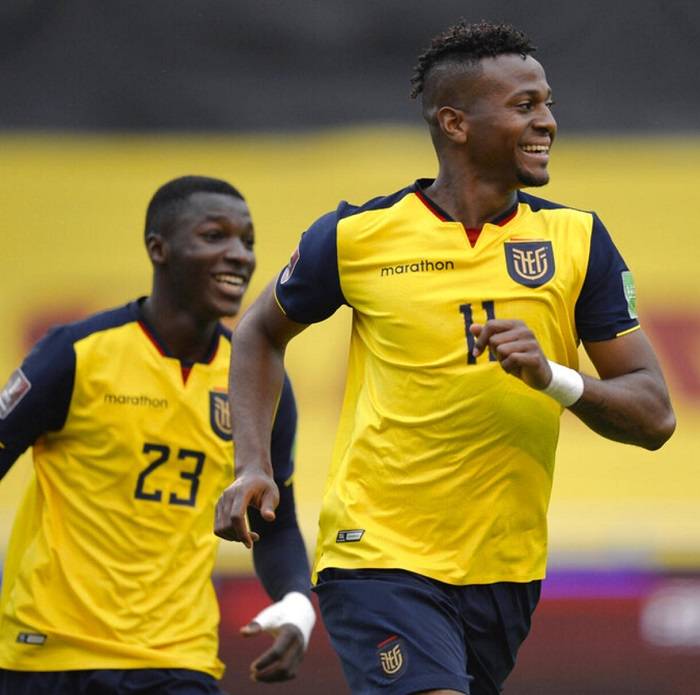
The future looks promising for the Ecuador national football team, with a blend of experienced veterans and emerging young talents. The team’s focus on youth development and strategic planning positions it well for continued success on the international stage.
Investment in Youth Development
Ecuador has been investing in youth development programs to nurture the next generation of football stars. Initiatives like the LigaPro youth academies and the Under-17 and Under-20 national teams provide a pathway for young talents to develop their skills and progress to the senior team.
Upcoming Tournaments
The Ecuador national football team will look to build on its recent successes in upcoming tournaments, including the FIFA World Cup, Copa América, and CONMEBOL qualifiers. With a talented squad and a proven coaching staff, the team is well-positioned to compete at the highest level and achieve further glory.
Frequently Asked Questions (FAQs)
1. How many times has the Ecuador national football team qualified for the FIFA World Cup?
The Ecuador national football team has qualified for the FIFA World Cup on four occasions: 2002, 2006, 2014, and 2022.
2. Who are some of the key players in the history of the Ecuador national football team?
Some key players in the history of the Ecuador national football team include Álex Aguinaga, Agustín Delgado, Antonio Valencia, and Enner Valencia.
3. What is the best performance of the Ecuador national football team in the FIFA World Cup?
The best performance of the Ecuador national football team in the FIFA World Cup came in 2006 when they reached the Round of 16.
4. How does the Ecuador national football team typically play?
The Ecuador national football team is known for its defensive solidity, counter-attacking play, and tactical versatility. The team often utilizes the speed and agility of its wingers and forwards to create scoring opportunities through quick transitions.
5. What is the cultural significance of the Ecuador national football team?
The Ecuador national football team, known as “La Tri,” symbolizes national pride and unity. Football is a cultural phenomenon in Ecuador, with fans passionately supporting the team and creating an electrifying atmosphere at matches.
Related Posts:
- Random NBA Team Generator: A Comprehensive Guide
- Wisconsin Volleyball Team Nude: Understanding the Controversy and Its Impact
- Wisconsin Volleyball Team Nude: Understanding the Controversy and Its Impact
The Ecuador national football team has a rich history and a bright future, marked by its remarkable achievements and the emergence of new talents. From legends like Álex Aguinaga and Antonio Valencia to promising stars like Gonzalo Plata and Moisés Caicedo, Ecuador continues to be a formidable force in international football. The team’s success is a testament to the skill, dedication, and passion of its players and managers. As the Ecuador national football team prepares for future tournaments, fans can look forward to more thrilling performances and memorable moments. Whether you are a long-time supporter or new to following the team, the journey of “La Tri” is one filled with excitement, pride, and a rich history that continues to evolve.