

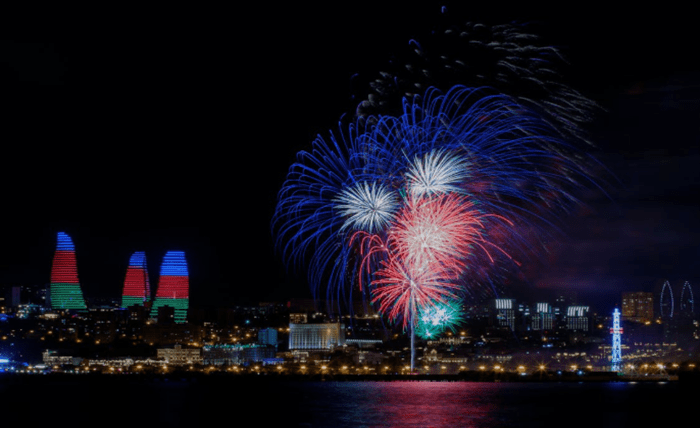
The majority of people still picture Azerbaijan as a nation dominated by oil fields and the remains of Soviet architecture. Not true! Festivals in this area will make your Instagram followers reconsider everything they’ve heard about the Caucasus region. Life moves differently here; the sounds and smells are new, and people will treat you like family no matter what.
It’s easy to organize a visit to this wonderful country. Make sure you organize your documents early because the best places to stay are very hard to get and often expensive.
On the other hand, the Azerbaijan visa fee varies depending on the processing timeline you choose, but don’t let bureaucracy kill your vibe before you even get there.
Why Attend Cultural Festivals in Azerbaijan?
Let us explain something important about festivals in Azerbaijan – they’re not specifically for tourists. They’re genuine. Real. It’s a blend of Turkic nomadic heritage, Persian writing, Islamic faith, and traditions from the Soviet era, and it’s surprisingly harmonious. The way people live is not influenced by visitors. They bring up the volume, truly.
You’ll see stalls selling food, listen to traditional music, and even old ladies will show you their folk dances. The Azerbaijan visa fee is nothing compared to seeing the special combination of cultures that Azerbaijan offers. With that said, let us remind you that applying for a visa in Azerbaijan is also not difficult, as long as you don’t wait until the final days.
Top Traditional & Cultural Festivals
Novruz Bayram
March 21st comes, and everybody in the country goes a little crazy (in a good way). New beginnings at the spring equinox mean plenty of excitement and celebration for two weeks. Bonfires everywhere. Leaping over burning torches for good fortune, which only sounds unsafe until you see everyone you’ve befriended take that same leap.
The whole process begins many weeks prior to taking place. Households purify every room, sow wheat grass, and prepare food for neighboring villages. Baku hosts a huge celebration, but the traditions are best seen in the smaller towns scattered around Azerbaijan.
Pomegranate Festival
Things sweeten and get sticky in October in Goychay. It’s not only about fruit but about pride, too. You won’t find better pomegranates anywhere, plus locals insist on it and might challenge anyone who thinks otherwise. The reason is clear: with tastings, cooking tournaments, and plenty of antioxidants to help people look younger.
Watch people turning pomegranates into wine, jam, and different sauces that aren’t sold elsewhere. You can find folk performances in front of orchards that cover outlying areas you can’t see. You shouldn’t be surprised by the chance to taste and take home more pomegranate delights than you can count.
Guba Apple Festival
In September, the North becomes apple-crazy, and Guba goes the extra mile. The mountains surround the valley, every hill is planted with orchards, and the air has a sweet smell of autumn. Yet, this festival includes more than just sharing and eating fruit.
Carpet weaving is demonstrated next to the activities of people competing to harvest apples. You’ll hear traditional music played on old instruments as people sell apple brandy, which might make you lose your mind. We haven’t seen things like this before: strangers are frequently invited into people’s homes just like any other day.
Gabala Music Festival
Classical music in the mountains sounds pretentious until you experience it. July brings international orchestras to this scenic region, but they’re sharing stages with local mugham singers who’ve been perfecting their craft for decades. The fusion creates something completely unexpected.
The venue itself is stunning – outdoor amphitheaters with mountain backdrops that make every performance feel epic. European conservatory graduates jam with village musicians, and somehow, traditional Azerbaijani scales blend perfectly with Bach. Your cultural assumptions will get demolished and rebuilt in real-time.
Baku Jazz Festival
October jazz in the capital attracts serious musicians from across the region. This isn’t background music for cocktail parties – it’s raw, experimental, and often incorporates traditional rhythms that predate jazz by centuries. The venues range from intimate clubs to massive outdoor stages.
International headliners discover local talents who’ve been developing unique fusion styles in relative isolation. The energy builds throughout the week until the final night becomes one city-wide jam session. Bring comfortable shoes because you’ll be walking between venues until dawn.
Hazelnut Festival
Zaqatala in autumn becomes hazelnut central. The northwestern region produces nuts that European chocolatiers import by the ton, and locals celebrate like they’ve discovered edible gold. Which, economically speaking, they kind of have.
Traditional dances happen around enormous piles of freshly harvested hazelnuts. Master chefs demonstrate dessert recipes passed down through generations, while artisans showcase hand-carved wooden bowls made from hazelnut trees. The mountain air carries the scent of roasting nuts for miles.
Persimmon Festival
November in Balakan means persimmon season, and this border town celebrates with serious dedication. The orange fruit hanging from leafless trees creates scenery that photographers travel thousands of miles to capture. However, locals care more about taste than Instagram potential.
Competitions determine the sweetest fruit, largest harvest, and most creative persimmon-based dishes. Traditional preservation methods are demonstrated alongside modern jam-making techniques. The festival coincides with gorgeous autumn weather that is perfect for hiking in nearby mountains.
Uzeyir Hajibeyov Music Festival
September honors the composer who basically invented modern music in this region. Hajibeyov blended European opera structures with traditional mugham, creating something entirely unique. The festival continues his experimental spirit with contemporary interpretations of his work.
Young musicians compete alongside established artists, pushing traditional boundaries while respecting historical foundations. Performances happen in both intimate venues and grand concert halls, creating varied experiences throughout the week. Music theory nerds and casual listeners both find their groove.
Maiden Tower Art Festival
The UNESCO World Heritage site becomes an arts hub during this cultural celebration. Traditional crafts demonstrations happen in the shadow of the ancient tower, while contemporary artists create installations inspired by historical themes. The juxtaposition creates thought-provoking conversations about tradition and modernization.
Local artisans showcase carpet weaving, metalwork, and pottery techniques unchanged for centuries. Meanwhile, young artists explore identity themes through modern mediums. The festival bridges generational gaps while honoring ancestral skills that survived invasions, empires, and political upheavals.
Conclusion
These festivals represent just the surface of what this country offers culturally curious travelers. Beyond the celebrations, you’ll discover hospitality that makes southern US friendliness look reserved, landscapes that shift from desert to mountains within single road trips, and architectural marvels that survived everything history could throw at them.
Getting there requires minimal paperwork hassle. The evisa Azerbaijan system streamlines the process for most passport holders, though processing takes several days so don’t procrastinate.
Required documents include passport photos, travel insurance, and hotel reservations – standard stuff. The Azerbaijan visa fee depends on your nationality, how fast you want it, and your stay duration, but it’s reasonable compared to other unique destinations offering this level of cultural authenticity.