

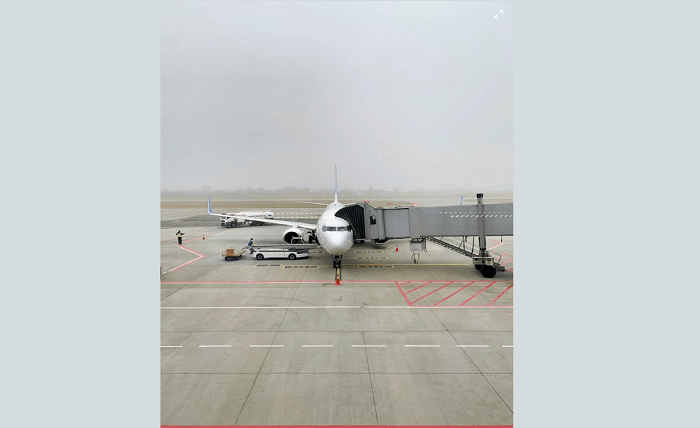
Aircraft maintenance extends beyond mere aesthetics, encompassing crucial safety protocols and essential care procedures. Regular upkeep serves as a fundamental aspect of operational excellence, demonstrating to passengers and business partners that your aircraft receives meticulous attention.
Here are five useful tips for cleaning aircraft.
1. Starting With the Exterior Surfaces
You should start cleaning your aircraft from the exterior surfaces and pay close attention to the fuselage, wings, and tail. Use a soft brush or sponge and a specialized aircraft cleaning solution to wash the fuselage to preserve the surface. Since the wings and tail are critical control surfaces, they also need to be cleaned regularly since an unkempt surface can lead to performance issues. Focus on your aircraft’s nose area enclosure by discarding bugs, dirt, or exhaust residue that might build up. Your aircraft windows and windshields should be cleaned regularly and should be free of streaks to guarantee optimum visibility.
2. Focusing on the Cabin Interior
Implement a thorough cleaning protocol starting with the cabin area. You can use a microfiber cloth and gentle cleaning solution to sanitize seats and armrests, ensuring a hygienic and smooth surface. Pay special attention to tray tables and surface corners, as these areas tend to accumulate grime. Thoroughly vacuum all floor spaces and carpeting to remove hidden debris and dirt, creating a more welcoming and spacious cabin environment. Remember to clean air vents and control panels with a light dusting to maintain proper air circulation and freshness. Organize items within storage compartments systematically to maximize space efficiency and create an orderly appearance.
3. Paying Attention to Special Areas
When planning your aircraft cleaning routine, remember to address critical areas with special attention. Use soft, non-abrasive cloths or wipes for cockpit instruments, ensuring delicate touch screens and controls remain protected from potential damage. While instrument panels are integrated into the cockpit, they require regular, gentle cleaning to prevent dust accumulation and maintain optimal functionality. To achieve an impeccable appearance, carefully clean and polish the aircraft’s mirrors and glass surfaces, enhancing its overall aesthetic appeal. Thoroughly clean and dry lavatory facilities to minimize unpleasant odors and ensure proper sanitation. Include frequently contacted surfaces like hand grips, buttons, and other high-touch areas in your regular cleaning protocol to safeguard the health and comfort of both passengers and crew members.
4. Choose the Right Cleaning Products
Selecting appropriate cleaning products from a brand like RealClean can simplify aircraft maintenance. Due to the delicate nature of aircraft interior materials, it’s crucial to use only the most reliable cleaning solutions. Ensure you select cleaning agents specifically formulated for aviation applications that can effectively and safely handle metal components, windows, and fabric surfaces. Always carefully review product labels and instructions to maximize the effectiveness of these cleaning services.
5. Building a Simple Cleaning Routine
Instituting a straightforward cleaning routine will assist you in maintaining the cleanliness of your aircraft efficiently. Make a cleaning schedule that is easy to follow and that considers the cleaning needs of your aircraft. Minor cleaning like wiping down of surfaces and removing the garbage can be done immediately after every flight without soiling items. Reminding yourself to simply do a comprehensive cleanup once a week or once a month will make sure that no details are overlooked. It should also be divided into small tasks that are easy to handle so that it does not look overwhelming. Finally traditional methods of cleaning will save both time and energy and will make your aircraft always ready to take off on the next flight.
Conclusion
In summary, maintaining a pristine aircraft ensures both operational safety and passenger comfort while demonstrating excellence in aviation standards. The commitment to cleanliness directly contributes to both safety standards and passenger satisfaction during future air travel.