

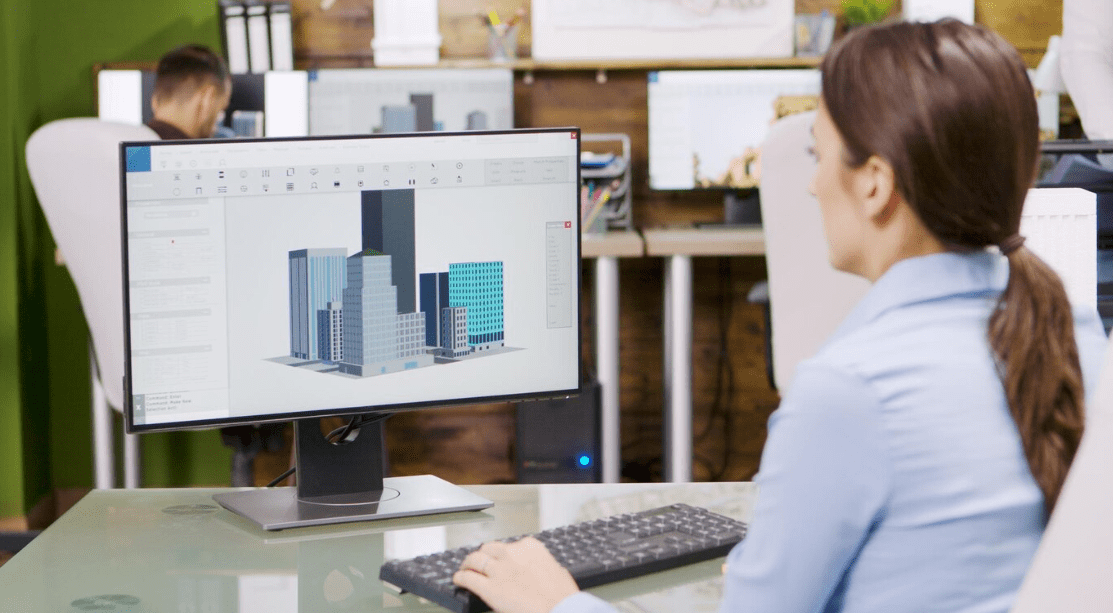
In modern construction projects, efficiency is key. The ability to plan, visualise, and execute with precision can mean the difference between success and costly delays. Revit BIM (Building Information Modeling) offers a powerful solution to this challenge, helping you optimise every stage of your project, from design to completion.
As construction projects grow more complex, the need for effective planning tools that integrate all aspects of the process becomes increasingly important. Revit BIM isn’t just about 3D modeling; it’s about creating a digital representation of the physical and functional aspects of your project. It serves as a collaborative platform where everyone involved, from architects to contractors, can work together, visualise the same data, and make informed decisions.
In this post, we’ll explore how leveraging Revit BIM can enhance construction planning and execution. We’ll look at its role in design, coordination, and construction, along with practical ways to streamline your workflow. By understanding its full potential, you can improve both the efficiency and quality of your projects.
What is Revit BIM and Why Does It Matter?
Revit BIM, developed by Autodesk, is a robust software that integrates various aspects of building design, engineering, and construction. It’s much more than just a tool for creating 3D models. Revit allows you to create a comprehensive digital representation of your entire project, incorporating elements such as architectural designs, structural components, and MEP (Mechanical, Electrical, Plumbing) systems.
The core advantage of Revit BIM is its ability to provide a unified platform. Whether you’re an architect, engineer, or contractor, Revit ensures that everyone is working with the same data. This reduces the likelihood of errors caused by outdated or inconsistent information, which is crucial when you’re managing large-scale projects with numerous moving parts.
Another key aspect is Revit’s ability to support collaborative work. Changes made by one team member are instantly visible to others, fostering a more integrated approach to construction planning. This collaborative environment helps ensure that decisions are made with the most up-to-date information available, ultimately improving efficiency and reducing errors.
Revit BIM for Efficient Construction Planning
Revit BIM streamlines construction planning with precise 3D modeling and real-time collaboration. It ensures all stakeholders are aligned, eliminating guesswork and improving workflow efficiency. Here is how Revit BIM offers efficient construction:
Streamlined Design Process
Revit BIM excels in the design phase of construction, offering a high level of detail and precision. Traditionally, the design process involved drafting plans by hand or using basic software that didn’t account for all aspects of the construction. With Revit, you can design in 3D, taking into account structural, architectural, and MEP systems, all within the same platform.
One of the standout features of Revit is parametric modeling. This means that when you make changes to one part of your design, Revit automatically adjusts other components to maintain consistency. For example, if you modify the layout of a room, Revit will automatically update walls, doors, windows, and other affected elements. This streamlines the design process and ensures that every element of your building is cohesive.
Moreover, Revit provides tools for detailed analysis, such as energy modeling, structural analysis, and daylight simulations. These tools allow you to assess the performance of your design before construction begins, saving time and resources by identifying potential issues early.
Enhanced Collaboration and Coordination
One of the major challenges in construction planning is ensuring that all parties—architects, engineers, contractors—are on the same page. In traditional workflows, this often means working with outdated plans or redoing work because of communication errors.
Revit BIM addresses this by allowing real-time collaboration across multiple teams. By sharing the same model, everyone involved can see the current design, make adjustments, and understand the impact of changes. Whether it’s adjusting the plumbing layout or shifting the location of a wall, all teams can immediately view and implement changes in the model.
This collaboration is further enhanced through features like clash detection. Revit automatically checks for conflicts between different systems, such as plumbing and electrical, and highlights potential issues before construction begins. By resolving these clashes in the virtual environment, you can avoid costly rework and delays on-site.
Revit BIM for Improved Execution
Optimised Construction Sequencing
Construction sequencing is another area where Revit BIM shines. With traditional methods, sequencing was often based on 2D drawings, requiring the team to visualise the construction process manually. However, Revit BIM allows you to simulate the entire construction process in 3D, helping you better understand how the project will unfold over time.
You can use Revit’s construction scheduling tools to create a detailed timeline of your project. This includes assigning tasks to various teams, specifying the materials needed, and setting deadlines. The model can be linked to the schedule, so changes to the project timeline automatically update the 3D model. This synchronisation ensures that your project stays on track and helps you anticipate potential delays.
Additionally, Revit allows you to link the model to construction equipment and materials. This creates a more comprehensive plan, where material deliveries and equipment usage are aligned with the construction schedule. This holistic approach to construction planning ensures that every aspect of the project is considered and that resources are used efficiently.
Efficient On-Site Construction Management
Once the planning is done, Revit BIM continues to be a valuable asset during the construction phase. With access to the digital model, contractors and project managers can reference the 3D model on-site, ensuring that the work is being executed as planned.
The mobile capabilities of Revit BIM are a game-changer for on-site management. Using tablets or smartphones, workers can access the project model directly from the job site, allowing them to check dimensions, verify placements, and ensure that everything matches the design. This reduces errors that can occur when interpreting paper plans or outdated information.
Moreover, as construction progresses, you can continue to update the model to reflect changes or issues that arise. This keeps everyone informed and ensures that future work aligns with the latest version of the project.
Real-World Benefits of Using Revit BIM
Revit BIM boosts project efficiency by reducing errors and improving coordination. It also helps save time and costs, ensuring faster and more accurate project delivery. Here are the top benefits:
1. Improved Project Timelines
One of the most significant benefits of using Revit BIM is the ability to reduce project timelines. By streamlining the design process, improving coordination, and minimising errors, projects can progress more efficiently. You’ll spend less time reworking designs or waiting for updated information from other teams, which ultimately leads to faster project completion.
2. Cost Efficiency
Revit BIM can also help you reduce costs. The early detection of issues through clash detection and virtual simulations helps prevent costly on-site errors. Additionally, the ability to plan and manage resources efficiently means you’re less likely to experience delays that could add to project costs. The seamless coordination between teams ensures that the work is completed on time and within budget, providing a clear path to cost savings.
3. Higher-Quality Construction
The precision of Revit BIM translates into higher-quality construction. The integration of multiple disciplines in a single model ensures that everything works together seamlessly, reducing the likelihood of mistakes or conflicts during construction. This attention to detail results in a finished project that is both functional and aesthetically pleasing.
Conclusion
Revit BIM offers a comprehensive, collaborative, and efficient solution to modern construction planning and execution. From design to construction, it provides all the tools you need to visualise, plan, and manage your project with precision. By leveraging Revit BIM, you not only improve the efficiency of your workflows but also enhance the quality and cost-effectiveness of your construction projects.
Whether you’re looking to reduce errors, improve coordination, or streamline your schedule, Revit BIM gives you the tools to make it happen. Embracing this technology means staying ahead of the competition, delivering projects faster, and achieving better results.