

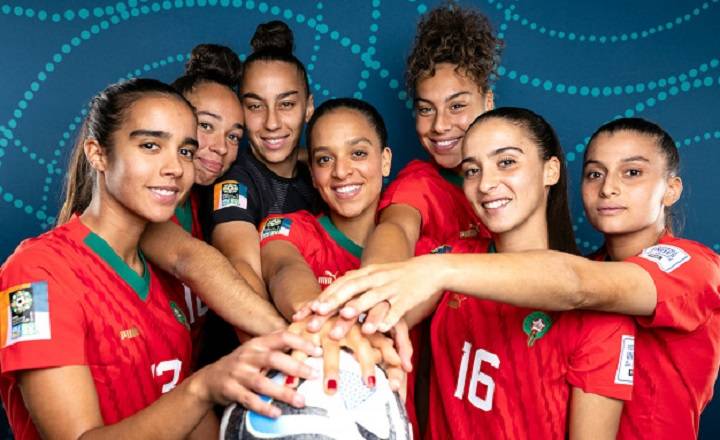
The Morocco women’s national football team has been making significant strides in international women’s football. With a growing presence on the global stage, the team has been working tirelessly to enhance its performance and establish itself as a formidable force. This comprehensive guide delves into the history, achievements, key players, and future prospects of the Morocco women’s national football team. Whether you are a dedicated fan or new to following the team, this article provides valuable insights into their journey and standing in the world of football.
History of the Morocco Women’s National Football Team
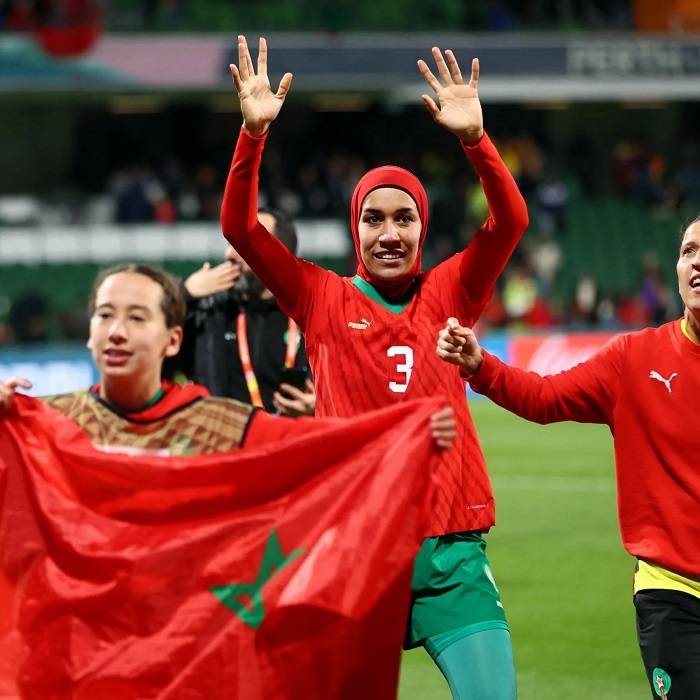
Early Years and Formation
The Morocco women’s national football team was officially established in the late 1990s, with the aim of promoting women’s football in the country. Despite facing numerous challenges, including limited resources and societal barriers, the team persevered and gradually began to make a name for itself in African football.
Development and Progress
The early 2000s saw the team participating in various regional competitions, gaining valuable experience and exposure. With the support of the Royal Moroccan Football Federation (FRMF), efforts were made to improve training facilities, coaching, and player development programs.
Recent Successes
In recent years, the Morocco women’s national football team has shown significant improvement, highlighted by their performances in the African Women’s Cup of Nations (AWCON) and other international tournaments. These successes have not only boosted the team’s confidence but also increased the popularity of women’s football in Morocco.
Key Players in the Morocco Women’s National Football Team
Ghizlane Chebbak
Ghizlane Chebbak, the team captain, is a pivotal figure in the Morocco women’s national football team. Known for her leadership skills, vision, and playmaking ability, Chebbak has been instrumental in driving the team’s success on the field. Her experience and dedication make her a role model for younger players.
Ibtissam Jraidi
Ibtissam Jraidi, a prolific forward, has been a key player for Morocco. Her goal-scoring prowess and ability to create opportunities make her a constant threat to opposing defenses. Jraidi’s agility and technical skills have earned her recognition as one of the top forwards in African women’s football.
Salma Amani
Salma Amani, a versatile midfielder, brings both defensive stability and creative flair to the team. Her ability to control the midfield, distribute the ball effectively, and contribute to both attack and defense makes her an invaluable asset for the Morocco women’s national football team.
Yasmin Mrabet
Yasmin Mrabet, a strong and reliable defender, has been a cornerstone of the team’s backline. Her defensive skills, tactical awareness, and ability to read the game have been crucial in maintaining the team’s defensive solidity.
Rosella Ayane
Rosella Ayane, a dynamic winger, adds pace and creativity to the team’s attack. Her dribbling ability, crossing accuracy, and versatility in playing multiple forward positions make her a key player for Morocco’s offensive strategies.
Achievements of the Morocco Women’s National Football Team
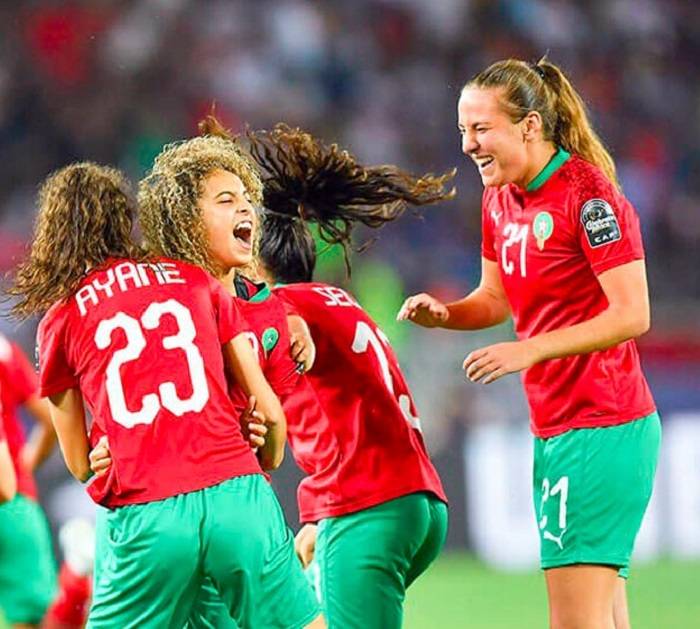
African Women’s Cup of Nations (AWCON)
The Morocco women’s national football team has participated in several editions of the AWCON, showcasing their growing prowess in the region. Their consistent performances have helped them gain recognition and respect among African women’s football teams.
Regional and International Tournaments
In addition to the AWCON, the team has competed in various regional and international tournaments, gaining valuable experience and exposure. These competitions have provided a platform for the players to showcase their talent and improve their skills.
Youth Development Successes
The success of the Morocco women’s national football team can be attributed to the emphasis on youth development. The FRMF has invested in youth academies and grassroots programs to nurture young talent, ensuring a steady pipeline of skilled players for the senior team.
Table: Key Players of the Morocco Women’s National Football Team
| Player Name | Position | Key Attributes |
| Ghizlane Chebbak | Midfielder | Leadership, vision, playmaking |
| Ibtissam Jraidi | Forward | Goal-scoring, agility, technical skills |
| Salma Amani | Midfielder | Versatility, defensive stability, creativity |
| Yasmin Mrabet | Defender | Defensive skills, tactical awareness |
| Rosella Ayane | Winger | Pace, dribbling, crossing accuracy |
Challenges and Resilience
Societal and Cultural Barriers
The Morocco women’s national football team has faced several societal and cultural barriers, including limited support and acceptance of women’s football. Overcoming these challenges has required determination, resilience, and concerted efforts from players, coaches, and the FRMF.
Limited Resources and Infrastructure
Despite recent improvements, the team still faces challenges related to limited resources and infrastructure. Ensuring access to high-quality training facilities, medical support, and competitive opportunities remains a priority for the continued growth of women’s football in Morocco.
Competitive International Landscape
Competing on the international stage requires continuous improvement and adaptation. The Morocco women’s national football team must navigate a highly competitive landscape, facing strong teams from Africa and beyond. Consistent performance and strategic planning are essential for success.
Future Prospects of the Morocco Women’s National Football Team
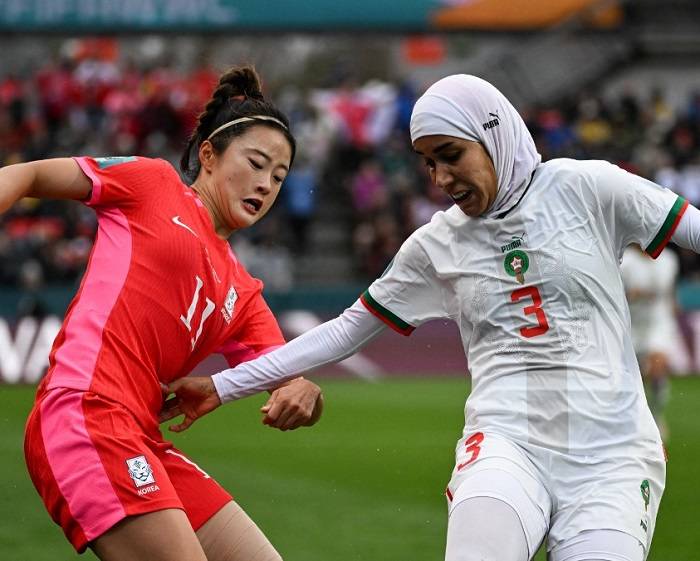
Emerging Talents
The future of the Morocco women’s national football team looks promising, with several emerging talents making their mark. Investment in youth development programs and scouting efforts are ensuring a steady influx of skilled players ready to contribute to the senior team.
International Exposure
Increased international exposure through friendly matches, tournaments, and player transfers to foreign clubs will help elevate the profile of Moroccan women’s football. This exposure provides valuable experience and opportunities for players to hone their skills.
Infrastructure Development
Investing in football infrastructure, such as training facilities and youth academies, is crucial for the continued growth of the sport in Morocco. These investments will support player development and improve the overall standard of football in the country.
Grassroots Initiatives
Grassroots initiatives aimed at promoting football at the community level are essential for identifying and nurturing young talent. Programs that provide access to coaching, equipment, and competitive opportunities will help grow the sport and inspire future generations.
The Impact of the Morocco Women’s National Football Team
National Pride
The Morocco women’s national football team serves as a source of national pride and unity. The team’s successes and resilience in the face of challenges resonate deeply with the Moroccan people, fostering a sense of collective identity and hope.
Social and Economic Impact
Football has the potential to drive social and economic development in Morocco. Success on the international stage can attract investment, tourism, and international partnerships, contributing to the country’s growth and development.
Role Models and Inspiration
Players from the Morocco women’s national football team serve as role models and sources of inspiration for young people. Their dedication, hard work, and success demonstrate the possibilities that can be achieved through sport, motivating the next generation to pursue their dreams.
FAQs
How has the Morocco women’s national football team performed in recent international tournaments?
The Morocco women’s national football team has shown commendable performances in recent international tournaments, including the African Women’s Cup of Nations and various regional competitions. Their consistent efforts have gained them recognition and respect in the footballing world.
Who are some key players in the current Morocco women’s national football team?
Key players in the current team include Ghizlane Chebbak, Ibtissam Jraidi, Salma Amani, Yasmin Mrabet, and Rosella Ayane. These players have been crucial to Morocco’s recent successes and continue to inspire future generations.
What are the major achievements of the Morocco women’s national football team?
Major achievements include strong performances in the African Women’s Cup of Nations and other regional tournaments. Their success is also attributed to effective youth development programs and increased investment in women’s football infrastructure.
How is the Morocco women’s national football team preparing for future tournaments?
The team is focusing on developing young talent, improving infrastructure, and increasing international exposure through friendly matches and tournaments. These efforts aim to strengthen the team for future competitions.
What impact does the Morocco women’s national football team have on the country?
The Morocco women’s national football team has a significant impact on national pride, social and economic development, and serves as a source of inspiration for young people. Their successes resonate deeply with the Moroccan population and contribute to the growth and development of football in the country.
Related Posts:
- Funny Basketball Team Names: A Comprehensive Guide
- Europe Ryder Cup Team 2023: A Comprehensive Guide
- Norway National Football Team Standings: A Comprehensive Guide
The Morocco women’s national football team, with its rich history and promising future, continues to inspire and unite the nation. Understanding the achievements, key players, and future prospects of the team provides valuable insights into their performance and progress. With a blend of experienced stars and emerging talents, the team is poised to make further strides on the international stage. By focusing on player development, infrastructure improvement, and international exposure, the future of Moroccan women’s football looks bright. As the team continues to represent Morocco on the global stage, they will undoubtedly inspire future generations and contribute to the growth and development of the sport in the country.