


The Haiti national football team, also known as Les Grenadiers, has a rich history and a passionate fan base. Despite facing numerous challenges, the team has demonstrated resilience, talent, and an unyielding spirit on the international stage. This comprehensive guide will delve into the history, key players, notable achievements, and future prospects of the Haiti national football team. Whether you are a long-time supporter or new to following the team, this article provides valuable insights into the pride and passion of Haitian football.
History of the Haiti National Football Team
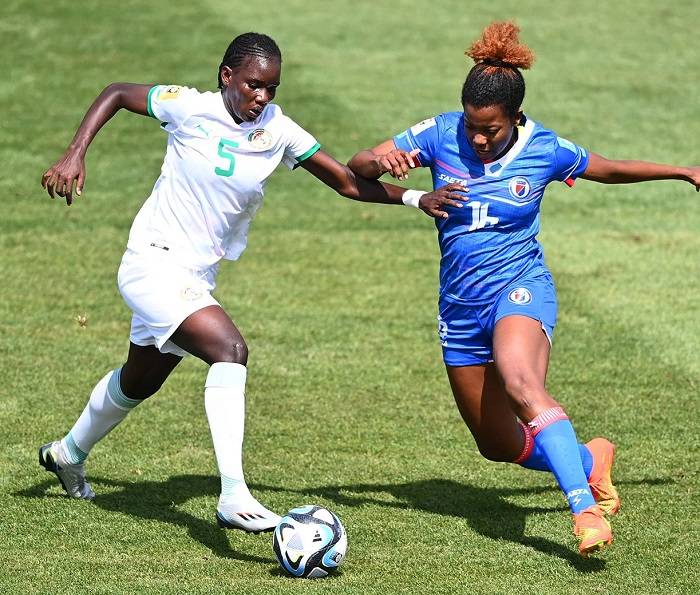
Early Years and Formation
The Haiti national football team was officially formed in 1924, joining FIFA in 1934 and CONCACAF in 1961. The team played its first international match against Jamaica in 1925, marking the beginning of its journey in international football.
World Cup Appearance
The most significant achievement in the early history of the Haiti national football team was its qualification for the 1974 FIFA World Cup in West Germany. This historic event marked the first and only time Haiti has qualified for the World Cup. Despite not advancing past the group stage, the team’s participation in the tournament was a source of immense pride for the nation.
Gold Cup and Caribbean Cup Success
Haiti has also enjoyed success in regional competitions, particularly in the CONCACAF Gold Cup and the Caribbean Cup. The team has consistently been a strong contender in these tournaments, showcasing the depth of talent in Haitian football.
Key Players in the Haiti National Football Team
Emmanuel Sanon
One of the most iconic figures in Haitian football history is Emmanuel Sanon. Known as “Manno,” Sanon is celebrated for scoring Haiti’s first and only goal in the 1974 World Cup. His goal against Italy ended the then-record streak of 1,142 minutes without conceding a goal by Italian goalkeeper Dino Zoff.
Jean-Jacques Pierre
Jean-Jacques Pierre, a central defender, has been a stalwart for the Haiti national football team. His leadership on and off the field has been instrumental in guiding the team through various competitions.
Duckens Nazon
Duckens Nazon is a current star of the Haiti national football team, known for his goal-scoring prowess and versatility in attack. Nazon has played a key role in recent successes, including the 2019 Gold Cup campaign.
Johnny Placide
Johnny Placide, a goalkeeper, has been a reliable presence between the posts for Haiti. His performances have been critical in securing important results for the team in various international matches.
Wilde-Donald Guerrier
Wilde-Donald Guerrier, a versatile midfielder and defender, has been an essential player for the Haiti national football team. His work rate, skill, and experience have made him a valuable asset to the team.
Notable Achievements of the Haiti National Football Team

1974 FIFA World Cup
The qualification for the 1974 FIFA World Cup remains the pinnacle of Haiti’s football achievements. The team competed against Italy, Argentina, and Poland in the group stage, gaining valuable experience and exposure on the world stage.
CONCACAF Gold Cup Performances
Haiti has had several strong performances in the CONCACAF Gold Cup, including reaching the semifinals in 2019. The team’s impressive run in 2019 included a stunning comeback victory against Canada in the quarterfinals.
Caribbean Cup Victories
Haiti has won the Caribbean Cup on multiple occasions, solidifying its status as one of the top teams in the region. These victories have helped to boost the profile of Haitian football and inspire future generations of players.
Challenges and Resilience
Political and Economic Instability
The Haiti national football team has faced numerous challenges, including political and economic instability in the country. These issues have affected the development of football infrastructure and the availability of resources for the team.
Natural Disasters
Haiti has been severely impacted by natural disasters, including the devastating earthquake in 2010 and Hurricane Matthew in 2016. These events have had a significant impact on the country’s ability to support and develop its football programs.
Overcoming Adversity
Despite these challenges, the Haiti national football team has shown remarkable resilience and determination. The team’s successes on the field serve as a source of hope and pride for the Haitian people, demonstrating the unbreakable spirit of the nation.
The Role of Coaching and Management
Key Coaches
Several coaches have played pivotal roles in the development and success of the Haiti national football team. Notable coaches include Antoine Tassy, who led the team during the 1974 World Cup, and Marc Collat, who guided the team to the semifinals of the 2019 Gold Cup.
Training and Development
Investing in training and development is crucial for the continued success of the Haiti national football team. Efforts to improve youth academies, coaching standards, and facilities are essential for nurturing the next generation of Haitian football talent.
Strategic Planning
Effective strategic planning by the Haitian Football Federation (FHF) is necessary to ensure the long-term growth and sustainability of football in Haiti. This includes securing funding, developing partnerships, and promoting the sport at all levels.
Table: Notable Achievements of the Haiti National Football Team
| Achievement | Details |
| 1974 FIFA World Cup | Qualified and competed in the group stage |
| CONCACAF Gold Cup 2019 | Reached the semifinals, notable comeback win against Canada |
| Caribbean Cup Victories | Multiple championships |
| Historic Goal by Emmanuel Sanon | Scored against Italy in the 1974 World Cup, ending Dino Zoff’s record |
| Resilience and Determination | Overcoming political, economic, and natural challenges |
Future Prospects of the Haiti National Football Team
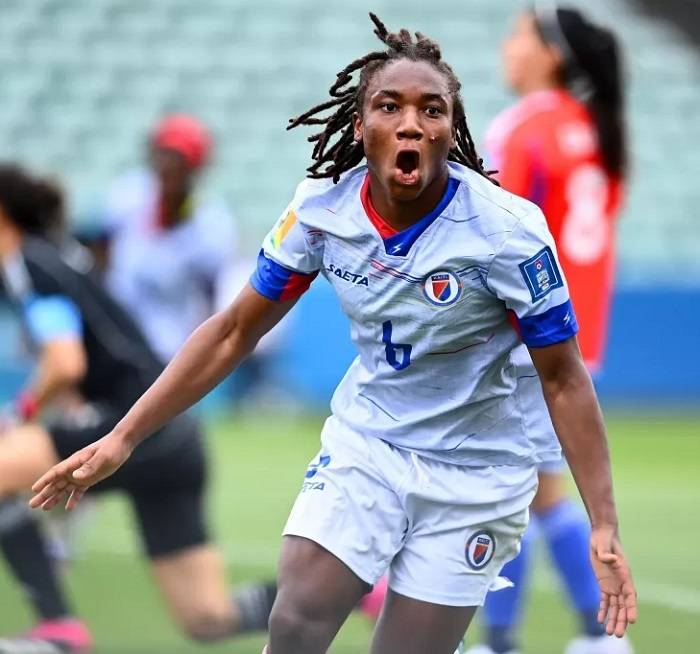
Emerging Talents
The future of the Haiti national football team looks promising, with several emerging talents making their mark on the international stage. Young players are being identified and developed through youth academies and international scouting efforts.
International Exposure
Increased international exposure through friendly matches, tournaments, and player transfers to foreign leagues will help to elevate the profile of Haitian football. This exposure provides valuable experience and opportunities for players to hone their skills.
Infrastructure Development
Investing in football infrastructure is critical for the continued growth of the sport in Haiti. Building and maintaining quality training facilities, stadiums, and academies will support player development and improve the overall standard of football in the country.
Grassroots Initiatives
Grassroots initiatives aimed at promoting football at the community level are essential for identifying and nurturing young talent. Programs that provide access to coaching, equipment, and competitive opportunities will help to grow the sport and inspire future generations.
The Impact of the Haiti National Football Team
National Pride
The Haiti national football team serves as a source of national pride and unity. The team’s successes and resilience in the face of adversity resonate deeply with the Haitian people, fostering a sense of collective identity and hope.
Social and Economic Impact
Football has the potential to drive social and economic development in Haiti. Success on the international stage can attract investment, tourism, and international partnerships, contributing to the country’s growth and development.
Role Models and Inspiration
Players from the Haiti national football team serve as role models and sources of inspiration for young people. Their dedication, hard work, and success demonstrate the possibilities that can be achieved through sport, motivating the next generation to pursue their dreams.
FAQs
1. When did the Haiti national football team first qualify for the World Cup?
The Haiti national football team first qualified for the FIFA World Cup in 1974, competing in the tournament held in West Germany.
2. Who is the most famous player in Haiti national football team history?
Emmanuel Sanon, known as “Manno,” is the most famous player in Haiti national football team history. He is celebrated for scoring Haiti’s first and only goal in the 1974 World Cup.
3. What are some of the major challenges faced by the Haiti national football team?
The Haiti national football team has faced challenges such as political and economic instability, natural disasters, and limited resources for football development.
4. How has the Haiti national football team performed in regional competitions?
Haiti has had strong performances in regional competitions, including multiple Caribbean Cup victories and reaching the semifinals of the 2019 CONCACAF Gold Cup.
5. What are the future prospects for the Haiti national football team?
The future prospects for the Haiti national football team are promising, with emerging talents, increased international exposure, and investments in football infrastructure and grassroots initiatives.
Related Posts:
- WWE Women’s Tag Team Champions: A Comprehensive Guide
- The European Ryder Cup Team: A Comprehensive Guide
- Is AFC Richmond a Real Team? Unveiling the Truth Behind the Fiction
The Haiti national football team embodies the spirit of resilience, determination, and pride. Despite facing numerous challenges, the team has achieved significant milestones and continues to inspire the nation. From the historic 1974 World Cup appearance to recent successes in regional competitions, the Haiti national football team has demonstrated its potential and passion for the sport. With a focus on developing emerging talents, improving infrastructure, and promoting grassroots initiatives, the future of Haitian football looks bright. As the team continues to represent Haiti on the international stage, it will undoubtedly inspire and unite the nation for years to come.