

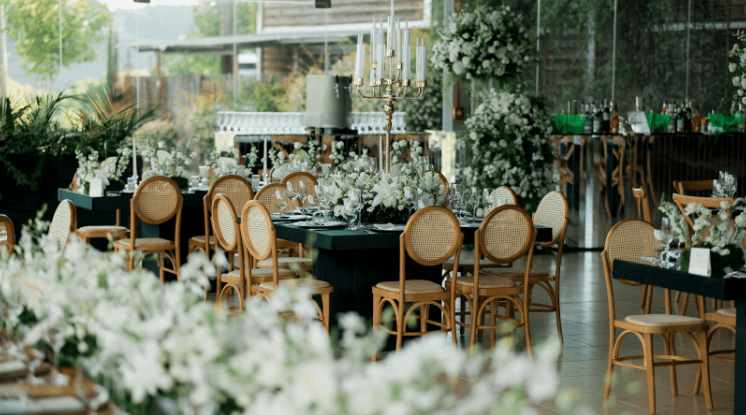
Private events are not just about food, music, or a nice space. They are about how people feel from the moment they arrive until long after they leave. A great event creates stories people want to share. It makes guests feel welcome, relaxed, and part of something special. Whether you are planning a birthday, company party, or small gathering, the goal is the same: make it meaningful and fun. The best events do not happen by chance. They are planned with care, clear purpose, and simple details that matter.
In this guide, you will learn how to host private events that stand out and stay in people’s minds.
What Actually Makes a Private Event Memorable
Let’s get one thing straight before we talk vendors or timelines. The foundation matters most.
69% of event attendees would rather splurge on an experience over material goods. That’s not a small shift; that’s a complete reordering of priorities. Plan accordingly.
Experience Wins Every Time
Memorable private events aren’t measured in florals per square foot or per-head spend. They’re measured in emotional resonance, whether your guests felt genuinely seen, delightfully surprised, or meaningfully connected to the people around them.
Ordinary gatherings fill a time slot. The ones worth talking about create a feeling people carry home with them. That’s the bar.
Details Create the Emotional Arc
Here’s something most hosts underestimate: small, well-placed details do enormous work. A personalized welcome drink. A lighting shift that signals something new is about to happen. A perfectly timed toast that catches people off guard in the best way. These aren’t extravagances. They’re emotional beats, and they compound throughout the night.
Once you understand what sets standout events apart, you’re ready to build the foundation — three decisions that shape everything else.
Start With Purpose, Guest List, and Budget
Every genuinely great private event begins with three honest answers. Skip one, and you’ll feel it later.
Name the Emotional Goal
What do you want guests to feel when they leave? “Reconnected.” “Celebrated.” “Impressed.” Pick one word and use it as your filter. That single anchor drives your venue search, your menu, your entertainment choices, and everything. When two good options compete for your attention, that word makes the call easier.
Build Your Guest List With Intention
Portsmouth, New Hampshire has a distinct culture around gatherings, it’s intimate, community-rooted, where the room is small but the energy runs exceptionally high. That spirit captures something universal: who you invite matters far more than how many .
When guest dynamics are a priority, and when they should be, Hawthorn event venue is worth serious consideration. Its flexible layouts accommodate anywhere from 30 to 150 guests while still fostering the kind of connection that makes an evening feel purposeful. Balancing personalities, natural connectors, quieter guests, key VIPs, shapes the entire dynamic of the room.
A Budget Framework That Actually Works
Divide your budget into three clear buckets: Experience (food, drink, décor), Operations (staffing, rentals, transport), and Extras (photography, gifts, tech). Invest in lighting and service. Save on DIY signage and smart rentals where possible. The hierarchy matters.
With those three pillars in place, venue selection becomes much more focused, and far less overwhelming.
Choose a Venue That Does Real Work
The right space doesn’t simply hold your event. It shapes how guests feel within the first thirty seconds of walking in.
What to Actually Evaluate
Capacity and aesthetics are obvious starting points, but dig deeper: acoustics, natural light, ceiling height, and traffic flow determine whether conversation feels effortless or exhausting.
Practical logistics like parking, noise ordinances, load-in access, determine whether your setup day is manageable or chaotic.
Design the Guest Journey Through the Space
Start with the entry moment. What do guests see, hear, and feel immediately? From there, map the flow deliberately: welcome drinks → main experience → dessert and wind-down.
| Event Format | Ideal Layout | Vibe Target |
| 25-person dinner | Long communal table, soft lighting | Intimate, warm |
| 60–80-person cocktail | Multiple stations, open floor | Social, energetic |
| Corporate + social hybrid | Branded zones, lounge corners | Polished, connected |
With your venue locked in, the next creative layer is crafting a theme that feels cohesive — not costume-party overdone.
Design a Theme That Feels Earned
Unique private event ideas almost always start with one clear sentence. “Tuscan summer supper in the city.” “Fireside winter gathering with old friends.” That sentence anchors your color choices, music, florals, and menu decisions, and all of them.
Let the Theme Live in Small Details
Skip the obvious clichés. Let the theme emerge quietly through consistency: a welcome drink that matches the palette, linen textures that support the mood, candles in a color threading through florals and signage. Restraint usually reads as sophistication.
Concepts Worth Exploring
Memorable private events ideas don’t need elaborate production value. A live chef’s table. A progressive tasting experience. A culture-forward gathering anchored in regional dishes and a local acoustic act. These feel fresh because they’re rooted in something genuine. Seasonal formats, harvest dinners, greenhouse spring vibes, winter fireside lounges, work particularly well.
A strong theme gives you the visual story. But the most unforgettable events go , engaging all five senses at once.
Build a Sensory Experience That Actually Sticks
Nearly half of event planners report that in-person attendance in 2024 exceeded pre-pandemic levels. Guests are showing up, and their expectations have risen alongside that return.
Light and Sound as Design Tools
Layered lighting changes a room’s entire personality. Combine candles, dimmable overheads, and a few strategic spotlights for depth that flat fluorescent lighting simply cannot replicate. Warm tones feel celebratory; cooler tones read sleek and intentional.
For sound, vary playlist energy across arrival, dinner, and post-dinner phases. Live music, even a quiet acoustic duo, lifts the atmosphere in a way a curated playlist rarely matches.
The Small Moments That Signal Care
Scent, texture, and surprise elements round out the experience quietly. Infused water carafes. Quality glassware that feels substantial. A late-night snack reveals genuine delight. These details communicate thoughtfulness without announcing it.
Food, Engagement, and Hosting With Presence
Private event planning tips tend to obsess over logistics. The real wins, though, come from sequencing emotional anchors: welcome, toast, main experience, surprise moment, closing ritual.
Build your menu around your theme and seasonal ingredients. Focused and intentional over sprawling and generic. Signature cocktails deserve attention, and so do sophisticated zero-proof options. A well-conceived welcome drink sets the evening’s personality before a word is spoken.
As for your role on the night itself?
Delegate setup, timing, and troubleshooting to your venue team or a day-of coordinator. Give yourself ten minutes before guests arrive to mentally shift out of logistics mode. That reset is visible, and the guests feel it.
Quick Answers Worth Knowing
1. How long should a private event run?
Two to three hours suits most gatherings well. Four hours works for larger celebrations with layered programming. Beyond that, energy tends to fade regardless of how strong the opening hour was.
2. How far ahead should you book a venue?
Eight to ten weeks is a solid minimum. For peak seasons or boutique spaces with limited availability, three to six months out is the smarter play.
3. How do you keep things private while still sharing highlights?
Use private shared albums over public posts. A simple note on menus requesting guests check before tagging works well — most people genuinely respect a clear, friendly ask, especially when a curated recap follows.
The Honest Bottom Line
Hosting a private event worth remembering comes down to intentionality at every layer. Purpose drives the guest list. The guest list shapes the venue. The venue informs the sensory design. And all of it, from the lighting, food, pacing, those well-chosen personal touches, all these accumulate into a night guests don’t want to see end.
You don’t need an enormous budget to host standout private events. You need clarity, genuine care, and the confidence to commit fully to a handful of details that make the whole evening feel like it was built specifically for the people lucky enough to be in that room.