

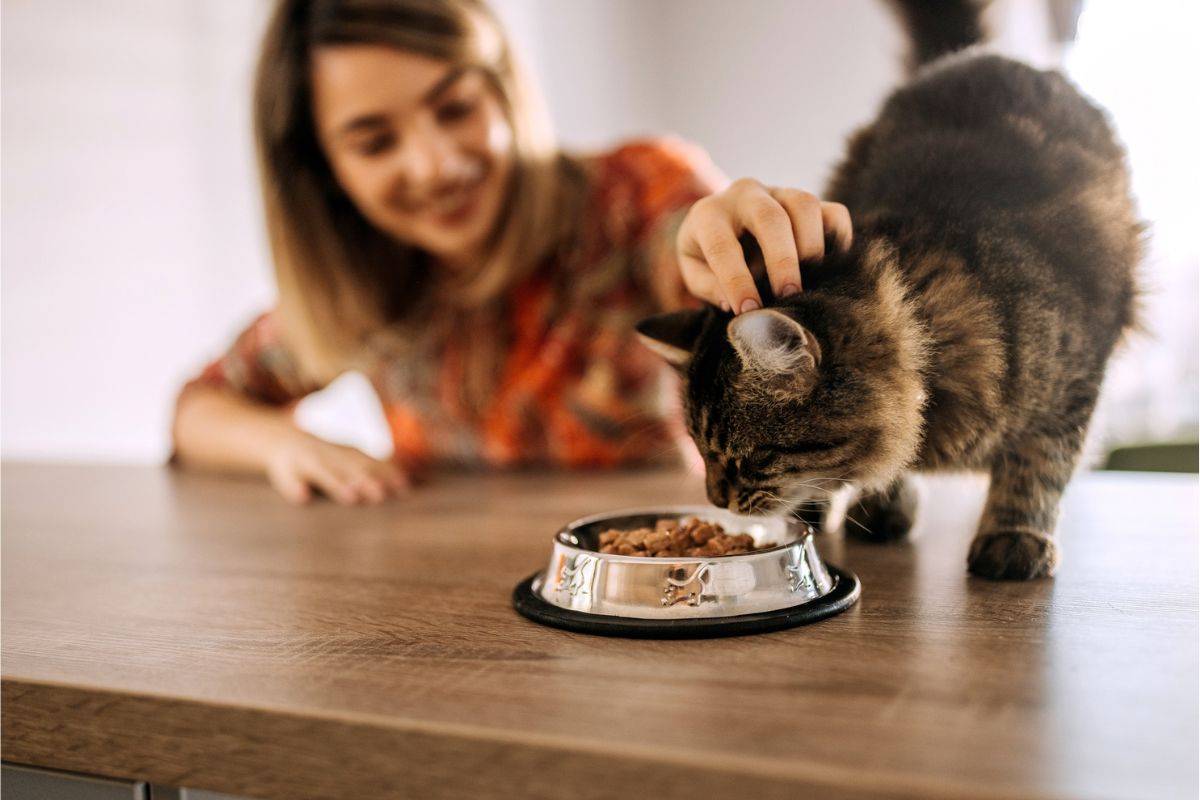
Ensuring your feline friend receives a balanced and nutritious diet is paramount for their overall health and longevity. Cats, being naturally curious creatures, often rely on their human companions to make the best food choices. This responsibility means understanding not only what goes into your cat’s bowl, but also how these foods support their health. Incorporating high-quality products from reputable sources can significantly contribute to your cat’s well-being by meeting their specific biological needs. For example, exploring trusted pet nutrition options can provide tailored solutions to meet your cat’s dietary needs, whether they need extra support for joint health, digestion, or better overall nutrition. Ultimate Pet Nutrition offers a thoughtfully curated range of premium cat products, including supplements and freeze-dried raw foods, each developed by veterinarians to support optimal feline health at every life stage. Choosing these solutions can make it easier to supply your cat with complete, balanced meals that address their nutritional gaps and support long-term wellness.
Prioritize High-Quality Animal-Based Proteins
Cats are obligate carnivores, meaning their bodies require nutrients found primarily in animal tissues. Plant-based diets simply cannot provide the same essential nutrients in the right proportions that cats need for vitality. Providing high-quality proteins from sources like chicken, turkey, beef, or fish supports muscle development, energy levels, and overall immune system health. For example, animal-based proteins provide crucial amino acids such as taurine, which cats cannot synthesize on their own. According to the ASPCA, proteins play a fundamental role in growth, tissue repair, maintenance, reproduction, and even enzyme and hormone regulation. When evaluating commercial cat foods or planning homemade diets, always look for real meat or named meat meals at the top of the ingredients list. Avoid ambiguous or generic protein sources, as these can be less digestible and nutritionally inferior.
Incorporate Moisture-Rich Foods
Hydration is crucial for cats, yet many don’t drink sufficient water, especially those fed a dry kibble diet. Cats evolved from desert-dwelling ancestors and are prone to drinking less water than they actually need. As a result, cats eating only dry food are at an increased risk of developing urinary tract and kidney issues due to chronic dehydration. Including wet foods, such as canned or pouch foods, or adding water or broth (with no added salt or onions) to dry kibble can enhance moisture intake, supporting kidney function and preventing urinary tract issues. Incorporating moisture-rich foods into your feline’s diet can help maintain proper hydration and overall health. Additionally, providing access to clean, fresh water in multiple locations throughout your home can encourage your cat to drink more. For some cats, fountain-style water bowls can be especially enticing, as the movement of water may stimulate their natural curiosity and encourage drinking.
Balance Nutrients with a Variety of Foods
A balanced diet includes not only protein but also essential vitamins and minerals, which are necessary for maintaining healthy skin, a healthy coat, immune system function, and internal organ health. Offering a variety of high-quality cat foods, such as rotating between different protein sources or brands, can help prevent nutrient deficiencies and food boredom. You might also incorporate small amounts of safe fruits and vegetables, such as cooked pumpkin or steamed carrots, to provide extra fiber and phytonutrients. However, always consult with your veterinarian before introducing any new foods into your cat’s diet, as some human foods may be toxic to cats. Variety should be approached thoughtfully to avoid digestive upset or adverse reactions. Your vet can suggest suitable additions based on your cat’s age, medical history, and individual health needs. Maintaining a log of what foods you try can be helpful if your cat develops sensitivities or allergies, making it easier to pinpoint problematic ingredients.
Limit Carbohydrates and Avoid Harmful Additives
Cats have minimal need for carbohydrates, as their natural diets contain very few carb-rich foods. Excessive carbohydrates can lead to problems such as obesity, diabetes, and even behavioral issues related to unstable blood sugar. It’s advisable to avoid grains and fillers like corn, wheat, and soy, which are often used to bulk up cheaper cat foods but add very little nutritional value. Additionally, steer clear of artificial colors, flavors, and preservatives, as they can negatively affect feline health and even trigger allergic reactions. The Times of India highlights the importance of choosing cat foods without harmful additives, as even small amounts consumed over months or years can build up and undermine your cat’s health. Whenever possible, select products that use natural preservation methods such as vitamin E (mixed tocopherols) or vitamin C (ascorbic acid)—and real food ingredients you can trust.
Monitor Portion Sizes and Feeding Schedules
Overfeeding can easily lead to weight gain and an array of associated health problems, such as joint pain, diabetes, and heart disease. Because domestic cats are usually less active than their wild counterparts, it is essential to measure portions based on your cat’s size, age, and activity level. Appropriate serving sizes are crucial, even a small excess in daily calories can add up quickly over the weeks. Establish regular mealtimes rather than free feeding (leaving food out all day) to prevent overeating and monitor how much your cat is consuming. Offering smaller, more frequent meals throughout the day can also help mimic their natural hunting and eating patterns, which often involve several small meals rather than one or two large ones. This approach can promote better digestion, reduce hunger-driven behavior, and even make treat time more meaningful for bonding. If you’re unsure of the right portion size, your veterinarian can recommend the best feeding schedule for your cat’s unique needs.
Consult with Your Veterinarian
Every cat is unique, and dietary needs can vary widely based on age, health status, medical conditions, and lifestyle. Kittens, adults, and senior cats all have different nutrient, calorie, and texture requirements. Cats with chronic conditions, food sensitivities, or metabolic disorders require tailored nutritional solutions, making regular check-ups with your veterinarian essential. Your vet can conduct routine health assessments and provide dietary recommendations designed specifically for your cat’s requirements. They may also be able to identify early signs of nutritional imbalances or illness, enabling prompt intervention and dietary adjustments as needed. Ongoing veterinary support ensures that your cat’s diet remains optimal as they age or as circumstances change.
By thoughtfully implementing these tips, you can provide a diet that supports your cat’s health, vitality, and happiness. Each step you take toward enhancing their nutrition not only benefits their physical well-being but also strengthens the bond you share. Through informed choices and regular care, you help ensure your feline companion enjoys a long, active, and contented life by your side.