

Mobile phones run powerful apps, games, and background tasks that produce heat. Without proper cooling, performance drops and the device becomes uncomfortable to hold. Modern phones rely on advanced materials and smart designs to spread and control heat. Understanding how these systems work helps users choose devices that stay fast, safe, and stable even under heavy workloads or long gaming sessions.
How Modern Mobile Phone Cooling Systems Work
Heat Generation in High-Performance Mobile Chips
High-performance chips process billions of operations every second. This workload produces heat as the processor switches rapidly between tasks. Graphics rendering, video editing, and online gaming increase heat even more. When the chip gets too warm, it loses efficiency. Effective cooling spreads this heat quickly so the chip stays within a safe range, ensuring smooth operation and consistent performance.
Why Thermal Throttling Happens
Thermal throttling activates when the phone becomes too hot. The processor slows down to protect itself from damage, reducing performance in games and apps. This helps prevent long-term wear but affects user experience. Proper cooling reduces the need for throttling by keeping temperatures stable. When heat spreads efficiently, the device maintains speed and avoids sudden slowdowns during demanding tasks.
Key Factors Affecting Cooling Efficiency
Cooling efficiency depends on material quality, internal design, and airflow. Metals and graphene move heat faster than plastic. The placement of chips, battery, and cooling layers also influences performance. Even software management affects heat levels by controlling power use. Phones that combine good materials with smart engineering cool down faster, stay comfortable to hold, and maintain better speed during daily use.
Most Common Cooling Methods in Today’s Smartphones
Vapor Chamber Cooling and Its Heat-Spreading Ability
Vapor chambers use liquid that evaporates and condenses to move heat rapidly across the phone’s surface. This method spreads heat evenly, preventing hot spots near the processor. It works well during gaming or multitasking. Many high-end devices use large vapor chambers to keep temperatures low. Their ability to handle sudden heat spikes makes them one of the most effective cooling solutions today.
Graphite and Graphene Sheets for Lightweight Thermal Control
Graphite and graphene sheets are thin, lightweight layers placed inside the phone to distribute heat. Graphene’s high conductivity makes it especially effective in moving heat away from critical components. These sheets support slim phone designs without adding bulk. By smoothing out temperature spikes, they keep the device more stable during long use. They also work alongside vapor chambers for balanced cooling performance.

Internal Heat Pipes and Their Performance Role
Heat pipes transfer heat from the processor to cooler areas of the phone using fluid circulation. They work like mini thermal highways inside the device. Although older than vapor chambers, heat pipes still offer reliable performance. They help prevent overheating during light gaming, video calls, or charging. Many mid-range smartphones use heat pipes to balance cost and efficiency in thermal control.
Advanced Cooling Technologies Emerging in Modern Devices
Active Cooling Modules and Micro-Fans in Compact Designs
Some gaming phones now include tiny internal fans that push air across heat sinks for faster cooling. These active modules reduce temperature quickly during long gaming sessions. Despite their small size, micro-fans improve airflow and delay throttling. Manufacturers design them to stay quiet while delivering strong cooling power. Although uncommon in mainstream phones, this technology shows how mobile cooling continues to evolve.
Phase-Change Materials for Sudden Heat Absorption
Phase-change materials absorb heat by shifting from solid to liquid during temperature spikes. This rapid absorption protects the processor during heavy tasks like gaming or video recording. Once the heat decreases, the material returns to solid and releases stored energy slowly. This method complements other cooling layers by handling sudden bursts of heat. It enhances overall stability in compact smartphone designs.
Multi-Layer Thermal Structures for Gaming-Level Stability
Modern phones stack multiple cooling layers—graphite, copper plates, vapor chambers, and thermal gel—to manage heat from different angles. These structures spread warmth across the entire device, preventing any single part from overheating. This approach supports stable gaming performance and smooth multitasking. The layered system also helps maintain comfortable surface temperatures. Multi-layer cooling is becoming common in high-performance smartphones.
User-Applied Phone Cooling Practices That Actually Work
External Cooling Attachments and Proper Heat Dissipation
External coolers, such as clip-on fans or thermal pads, help lower phone temperature during gaming. They improve airflow and remove heat from the back panel. When used correctly, they reduce throttling and maintain smoother performance. Users should attach these tools firmly and avoid covering ventilation areas. Pairing external cooling with built-in systems keeps temperatures stable during long gaming or streaming sessions.
Safe Charging and Usage Habits to Reduce Temperature
Users can reduce heat by avoiding heavy tasks while charging. Fast charging produces extra warmth, so letting the phone rest helps maintain safety. Lowering screen brightness, closing unused apps, and disabling unused connectivity features also reduce heat. Charging in open spaces prevents heat buildup. Small adjustments like these support the phone’s internal cooling and help maintain better long-term performance.
Environmental Factors That Influence Phone Heat Levels
Direct sunlight, hot rooms, and enclosed spaces increase phone temperature quickly. Using the device outdoors during summer or leaving it in a car can cause overheating. Thick cases can trap heat, especially during gaming or charging. Keeping the phone in shaded areas, removing heavy cases during intensive tasks, and improving airflow help control temperature. Awareness of surroundings greatly improves cooling efficiency.
Conclusion
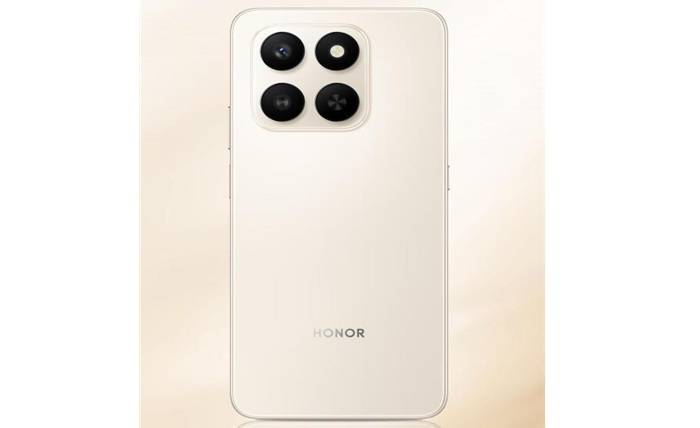
Modern cooling methods combine smart materials, layered designs, and user habits to keep phones stable under pressure. Effective thermal control reduces throttling, protects hardware, and improves comfort during long sessions. A well-cooled device—like the HONOR X7d 5G phone—delivers smoother performance across daily tasks. By understanding cooling systems and applying simple habits, users can maintain better temperature control and extend device lifespan.