

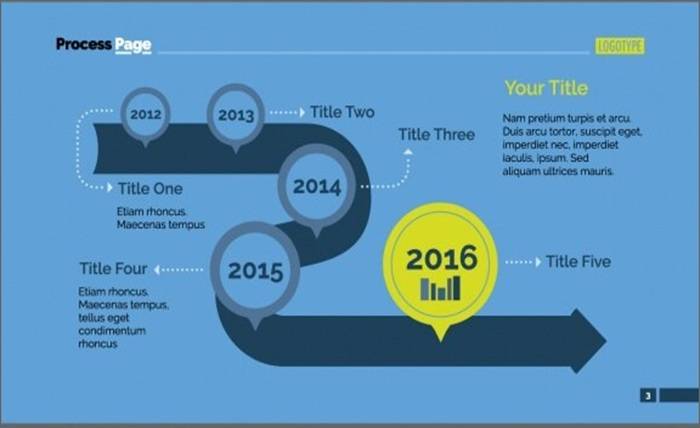
Presentations play a crucial role in communicating strategies, plans, and long-term goals. A well-structured visual guide simplifies complex information, ensuring that audiences stay engaged and understand the direction of a project or business. Whether outlining product launches, business strategies, or operational changes, clear communication is essential.
A compelling roadmap slide helps teams, stakeholders, and decision-makers align their expectations and plan effectively. It transforms abstract ideas into structured timelines, making objectives more tangible. The following sections explore the critical components that contribute to an impactful presentation layout.
A Clear and Logical Structure
A structured format ensures that viewers can follow the information without confusion. An effective visual layout breaks down complex plans into well-defined stages, helping audiences grasp the main objectives. Without a clear structure, key details may get lost, leading to misunderstandings.
The arrangement should guide the audience seamlessly from one milestone to the next. Logical sequencing, with defined sections, prevents overcrowding and enhances clarity. A structured timeline ensures that everyone understands the expected progression and key deliverables. A well-organized sequence also helps presenters communicate priorities.
Well-Defined Milestones and Objectives
Every strategic plan must have measurable goals. Clearly outlined milestones help audiences track progress and understand what needs to be accomplished at each stage. Without specific targets, teams may struggle to stay on course. Each phase should include concrete objectives with achievable outcomes.
A high-impact presentation visually distinguishes milestones, using markers or color coding to highlight progress. This method ensures that each stage is easy to identify and aligns with the broader plan. Defining milestones also fosters accountability, encouraging teams to stay on schedule and meet deadlines.
Concise and Impactful Content
A presentation should provide essential information without overwhelming the audience. Lengthy explanations can make it difficult for viewers to retain key points. Keeping descriptions brief ensures that the focus remains on the most critical aspects. Short yet meaningful text elements improve readability and allow the audience to process information quickly. Bullet points, brief summaries, and visual cues can replace lengthy paragraphs, maintaining engagement. A minimalistic approach helps keep the focus on the most relevant details.
How Concise Content Improves Clarity:
- Reduces distractions and enhances focus
- Ensures that key messages stand out
- Helps audiences retain information efficiently
- Keeps the visual clean and professional
Visual Elements for Better Engagement
Graphics and design elements make presentations more engaging. A plain text-heavy layout can feel dull and difficult to follow. Adding visuals such as icons, charts, and diagrams enhances comprehension and keeps viewers interested. A well-designed format balances images and text to create a visually appealing display.
Color schemes, fonts, and alignment contribute to overall effectiveness. Choosing the right combination of visuals ensures that the information is presented in an organized and attractive way. Well-placed graphics also help emphasize key points, reinforcing the main message without additional explanations.
Adaptability for Different Audiences
Every audience has unique expectations and levels of understanding. A versatile presentation should cater to different stakeholders, from executives to team members. Adaptable content ensures that the message remains clear regardless of who is viewing it. For executives, a high-level overview may be sufficient, while detailed breakdowns may be necessary for operational teams.
Using flexible formats allows presenters to adjust the level of detail based on the audience. This adaptability increases the effectiveness of the overall communication strategy. Customization also ensures that key decision-makers receive the right level of information without unnecessary complexity.
A well-crafted roadmap slide simplifies complex information, making strategies and plans easier to follow. With a clear structure, defined milestones, and engaging visuals, presentations become more impactful. Thoughtful design ensures that objectives are communicated effectively, helping teams and stakeholders stay aligned on key goals.