

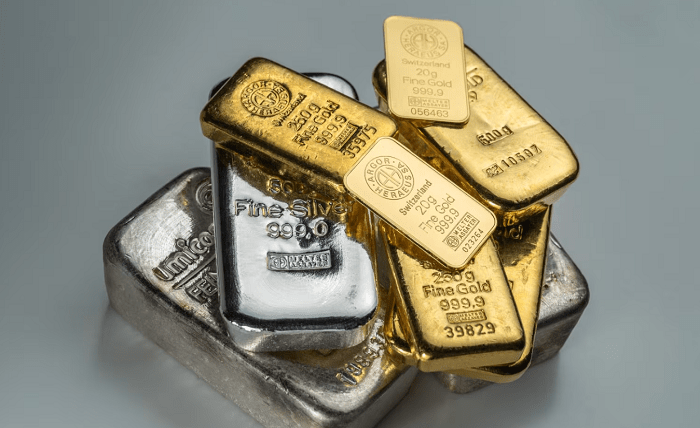
The Shift in Investment Patterns: Why Young Investors Are Reconsidering Precious Metals
Investment landscapes are evolving rapidly, and the preferences of younger generations are reshaping traditional asset allocation strategies. Millennials have the highest allocation to gold in their portfolios, at 17%, far outpacing both boomers and Gen X at 10%, according to research by State Street. This surprising trend has many financial experts questioning whether precious metals, particularly silver ETFs, are becoming the new strategic choice for digital-native investors.
What Makes Silver ETF Attractive to Tech-Savvy Investors
Silver ETFs represent a fascinating intersection of traditional value storage and modern investment convenience. Unlike physical silver, which requires secure storage and insurance, silver ETFs offer young investors the ability to gain exposure to precious metals through familiar digital platforms. Each unit of a silver ETF typically represents one gram of physical silver with 99.9% purity, stored securely in high-grade vaults by custodian institutions. This structure eliminates the practical barriers that have historically deterred younger investors from precious metals investing.
The appeal extends beyond convenience. The two generations most likely to own exchange-traded funds are millennials and Gen Zers in their retirement accounts, at 81% and 75%, respectively, demonstrating their comfort with ETF structures. This familiarity makes silver ETFs a natural bridge between their preferred investment vehicles and alternative asset classes.
Market Dynamics: How Silver ETF Performance Compares to Traditional Gold ETF Investments
The performance characteristics of silver ETF investments often exhibit greater volatility than their gold ETF counterparts, which can be both an opportunity and a challenge for younger investors. Silver historically demonstrates more dramatic price swings, potentially offering higher returns during favorable market conditions while also presenting increased risk during downturns. This volatility profile often aligns with the risk tolerance typically associated with younger investment timeframes.
Recent market data suggests that precious metals ETFs have been gaining momentum. Gold tends to rise as the dollar weakens, and similar dynamics affect silver prices, making these ETFs attractive hedges against currency devaluation and inflation concerns that particularly resonate with younger demographics who are planning for long-term financial security.
Accessibility and Cost Efficiency: Breaking Down the Investment Barriers
One of the most compelling aspects of silver ETFs for young investors is their accessibility. Unlike physical precious metals, which often require significant minimum investments and ongoing storage costs, silver ETFs can be purchased in small quantities through standard brokerage accounts. The expense ratios for these passive investment vehicles are typically lower than actively managed funds, making them cost-effective options for investors just beginning their wealth-building journey.
The liquidity factor cannot be overstated. Silver ETFs trade on major exchanges during market hours, providing investors with the flexibility to adjust their positions as market conditions change. This liquidity is particularly valuable for younger investors who may need to access their investments more frequently than traditional precious metals buyers.
Risk Considerations and Portfolio Integration Strategies
While silver ETFs offer numerous advantages, they also present specific risks that young investors should carefully consider. The price of silver can be influenced by industrial demand, geopolitical events, and monetary policy changes, creating potential volatility that may not align with all investment objectives. Additionally, while ETFs eliminate storage risks, they introduce counterparty risks associated with the fund management structure.
For portfolio integration, financial advisors often suggest that precious metals, including silver ETFs, should represent no more than 5-10% of a diversified investment portfolio. This allocation can provide portfolio diversification benefits without overwhelming exposure to commodity price volatility.
Future Outlook: The Role of Silver ETFs in Modern Investment Strategies
The investment landscape continues to evolve, and silver ETF appears positioned to play an increasingly important role in the portfolios of young investors. Gold and silver are becoming increasingly popular investment options for millennials and Gen Z, suggesting this trend may continue to gain momentum as these generations accumulate more investable assets.
The integration of silver ETFs into modern investment strategies reflects broader changes in how younger generations approach wealth building. They seek investments that combine traditional value preservation with modern convenience and accessibility. As market conditions continue to evolve and concerns about inflation and currency stability persist, silver ETFs may indeed represent a “new gold” standard for young investors seeking to diversify their portfolios with precious metals exposure while maintaining the flexibility and accessibility they value in their investment approach.