

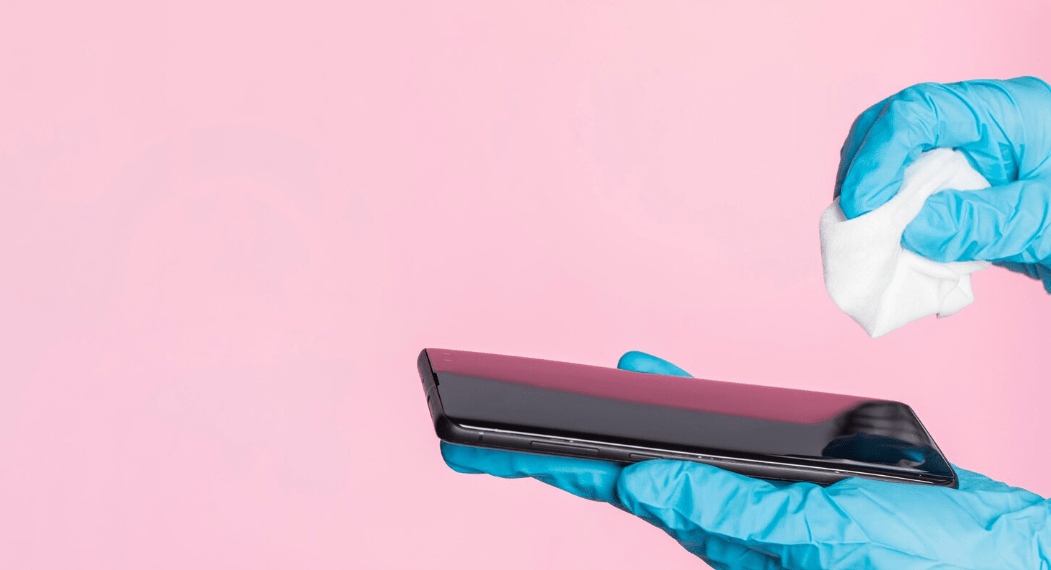
One of the key components to maintaining the pristine quality of your devices is investing in a high-quality screen protector. This seemingly simple accessory can extend the life of your gadget by preventing scratches, reducing glare, and even diminishing fingerprint smudges.
Understanding Different Types of Screen Protectors
The market offers a plethora of screen protectors, each designed to meet specific needs. Common materials include tempered glass, PET, and TPU. Understanding these different materials can help you make a more informed decision.
Tempered Glass Screen Protectors
Tempered glass screen protectors are highly popular due to their robust durability and near-perfect clarity. They provide excellent protection from direct impacts and scratches, mimicking the feel of the original screen.
PET Plastic Screen Protectors
PET plastic is a basic form of screen protector, often used for budget phones and simple protection against scratches. They do not offer the same level of impact protection as tempered glass but are a cost-effective solution.
TPU Plastic Screen Protectors
Made from flexible plastic, TPU screen protectors offer unique self-healing properties that can absorb minor scratches and reset their original form. This feature makes them appealing for more rugged use.
Factors to Consider When Choosing a Screen Protector
When it comes to choosing the right screen protector, several factors must be considered to ensure it meets your specific needs.
Device Compatibility
Ensuring that the screen protector is compatible with your device model is crucial. A misfit can leave parts of your screen exposed or interfere with the device’s functionality.
Durability and Protection Level
Consider the level of protection you require. If you tend to drop your phone frequently, a tempered glass protector may be more suitable due to its impact resistance.
Clarity and Touch Sensitivity
Look for a screen protector that does not hinder the display quality or touch responsiveness of your device. High-quality protectors maintain the vibrant colours and smooth interaction you expect from your screen.
The Role of Screen Protectors in Blue Light Protection
Some screen protectors come equipped with blue light filters which can reduce eye strain during extended use. If you spend long hours looking at your screen, this feature might be beneficial to consider.
Installation Process and Maintenance
Ease of installation is another factor worth considering. Many protectors come with alignment tools to help you apply them without air bubbles. Furthermore, maintaining cleanliness and understanding how to replace them can ensure longer protection.
Cost Versus Value
While it might be tempting to purchase the cheapest option available, investing in a high-quality screen protector is worthwhile considering the cost of repairing a damaged screen.
Customised Options for Various Devices
Screen protectors are not limited to smartphones; tablets, smartwatches, and laptops can benefit from them as well. Make sure to choose a protector specifically designed for your device type to achieve the best results.
Conclusion: Making an Informed Choice
Choosing the perfect screen protector involves evaluating your lifestyle, device usage, and protection needs. By understanding different types and materials, and considering factors like durability, sensitivity, and installation ease, selecting the right one becomes less daunting.