

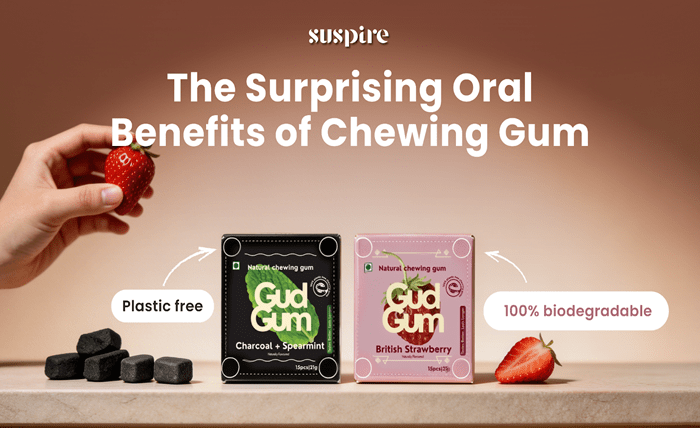
Oral care is no longer just about brushing twice a day. Today, people are looking for small, practical habits that support dental health throughout the day, especially in busy routines. One simple habit gaining attention is chewing gum. But not all gum is created equal.
When chosen mindfully, chewing gum, especially sugar-free variants, can play a supportive role in oral hygiene. From freshening breath to supporting saliva production, the right gum can become a small but powerful addition to your daily wellness routine.
The Modern Role of Chewing Gum in Oral Care
For years, chewing gum was seen as a quick breath-freshening fix. But wellness experts now highlight its broader benefits, particularly when it’s sugar-free and thoughtfully formulated.
Many dentists suggest that chewing gum after meals may help reduce acidity in the mouth. This is because chewing stimulates saliva, which naturally cleanses the oral cavity and neutralizes harmful acids.
This is where modern options like mint chewing gum and functional blends are changing the perception of gum, from a casual treat to a mindful oral care habit.
How Chewing Gum Supports Oral Health
When you chew sugar-free chewing gum, your mouth starts producing more saliva. This natural response offers several benefits:
- Neutralizes Acid
After meals, oral bacteria produce acids that weaken enamel. Chewing gum helps buffer this acidity. - Reduces Dry Mouth
Saliva acts as a natural cleanser. Regular chewing can help people who experience dryness due to stress or dehydration. - Freshens Breath Naturally
Options like mint chewing gum provide long-lasting freshness without relying heavily on artificial sprays or mouth fresheners. - Helps Clear Food Particles
Chewing gum may help dislodge tiny food particles after meals, especially when brushing isn’t immediately possible.
These small benefits add up, making chewing gum a surprisingly useful oral wellness tool.
Why Sugar-Free Chewing Gum Matters
Not all gum supports oral health. Sugary variants can actually do more harm than good, feeding bacteria and increasing the risk of cavities.
That’s why sugar-free options, including modern alternatives like gud gum chewing gum, are gaining popularity. These gums are typically sweetened with plant-based or low-impact sweeteners instead of refined sugar.
From a dental perspective, sugar-free gum is preferred because it:
- Doesn’t promote cavity-causing bacteria
- Supports saliva without adding sugar load
- Offers freshness without long-term damage
This shift toward better formulations is reshaping how people think about everyday habits like chewing gum.
The Rise of Functional Gums
The wellness space has evolved beyond basic products. Today, people are seeking functional everyday items , including chewing gum with added benefits.
For example, newer options like gud gum chewing gum are often made with cleaner ingredients and mindful formulations. Instead of focusing purely on flavour, these gums emphasize:
- Cleaner ingredient lists
- Sugar-free compositions
- Subtle freshness from mint chewing gum blends
- A more conscious snacking experience
This reflects a broader shift toward choosing products that align with both health and lifestyle.
Mint Chewing Gum and Breath Confidence
Among different varieties, mint chewing gum remains one of the most loved choices. The cooling sensation of mint doesn’t just freshen breath; it also creates a perception of cleanliness and alertness.
Mint-based chewing gum is often preferred for:
- Post-meal freshness
- Social confidence
- Travel or long workdays
- Quick refresh before meetings
Because mint pairs well with sugar-free formulations, it’s become a staple in modern oral care routines.
Can Chewing Gum Replace Brushing?
This is a common question, and the short answer is no.
While chewing gum offers supportive benefits, it should never replace brushing or flossing. Think of it as an “in-between” habit rather than a primary dental care method.
Wellness experts often recommend using sugar-free gum after meals when brushing isn’t possible, such as:
- During travel
- After eating out
- At work or college
- During long commutes
Used correctly, chewing gum complements, not replaces, your core oral care routine.
Choosing the Right Chewing Gum
If you’re planning to include chewing gum in your daily routine, here are a few mindful considerations:
Look for Sugar-Free Labels
Avoid traditional sugary gums that may harm enamel over time.
Check Ingredient Transparency
Options like gud gum chewing gum often focus on simpler formulations.
Pick Refreshing Flavours
Mint chewing gum is a reliable choice for long-lasting freshness.
Avoid Overuse
Moderation is key. Chewing gum should support oral health, not replace balanced habits.
A thoughtful approach ensures you get the benefits without unnecessary downsides.
A Small Habit That Fits Modern Lifestyles
In fast-paced urban routines, people are looking for micro-habits that create real impact. Something as simple as choosing the right chewing gum can support daily freshness and oral comfort without adding complexity.
This is especially relevant for people who are constantly on the move, professionals, students, travellers, and anyone managing packed schedules.
Small, consistent choices often create the biggest shifts in long-term wellness.
A Mindful Take on Everyday Wellness
The modern wellness mindset isn’t about drastic changes. It’s about upgrading everyday choices, even the smallest ones.
From cleaner snacks to better oral care habits, products like thoughtfully made mint chewing gum or gud gum chewing gum reflect this shift toward conscious consumption.
If you’re exploring curated wellness products that align with mindful living, platforms like Suspire bring together cleaner, thoughtfully selected options that fit seamlessly into modern routines.
Final Thoughts
Oral health doesn’t always require complicated routines. Sometimes, simple habits make a meaningful difference.
When chosen wisely, sugar-free chewing gum can support freshness, saliva production, and overall oral comfort. Whether it’s mint chewing gum for daily freshness or cleaner alternatives like gud gum chewing gum, the right choice can easily become part of your wellness toolkit.
A healthier smile often starts with small, mindful steps, and sometimes, even a simple chew can go a long way.
FAQs
1. Is chewing gum good for oral health?
Ans: Yes, sugar-free chewing gum can support saliva production and reduce acidity. It works best as a supplement to brushing and flossing.
2. What makes Gud gum chewing gum different?
Ans: Gud gum chewing gum is often made with cleaner, sugar-free formulations. It focuses on mindful ingredients and better everyday choices.
3. Is mint chewing gum better than other flavours?
Ans: Mint chewing gum is popular for its long-lasting freshness. It also creates a cooling sensation that enhances oral comfort.
4. Can chewing gum prevent cavities?
Ans: Sugar-free chewing gum may help reduce cavity risk by neutralizing acids. However, it should not replace brushing or flossing.
5. How often should I chew gum for oral benefits?
Ans: Chewing gum after meals for 10–20 minutes can be helpful. Moderation is important to avoid jaw strain or overuse.