

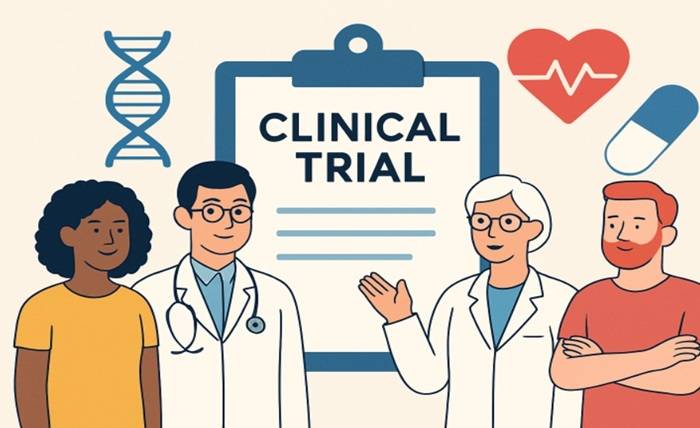
Clinical trials play an essential role in advancing medical science and developing new therapies that improve lives. By systematically examining potential treatments and interventions, clinical trials create evidence that guides decisions from the research laboratory directly to community healthcare settings. Anyone interested in understanding the critical foundation of modern medical care can explore the definition of a clinical trial to appreciate the structure and purpose of these studies.
These thorough research efforts are central to the lifeblood of medical breakthroughs. Without clinical trials, medications, medical devices, and treatment protocols could not move beyond experimental stages to become standard practices in clinics worldwide. Their significance is illustrated by the fact that each step of a trial creates new opportunities for personalized, innovative care that benefits patients now and shapes the direction of future healthcare strategies.
Moreover, clinical trials provide important insights into what works best in medicine and why, allowing the field to build on proven approaches while identifying pitfalls and risks along the way. As technology continues to evolve and collaborative networks expand across the globe, clinical trials remain the source for unbiased, actionable evidence.
While new tools such as artificial intelligence and digital patient models are changing the landscape of research, the fundamental principles of clinical trials remain the same, ensuring that every advancement is both effective and safe for widespread use. By constantly measuring and refining treatment options, the clinical research community fosters a pipeline of continuous innovation that benefits patients globally.
The Role of Clinical Trials in Medical Advancements
Clinical trials are structured, carefully monitored studies designed to ensure that new medical interventions are not only effective but also safe for the public. Every groundbreaking therapy, from drugs that extend life expectancy to new ways of delivering care, has passed through this rigorous process. A case in point is Trikafta for cystic fibrosis, an example of a therapy whose benefits became widely available only after years of clinical investigation and patient involvement. Effective clinical trials accelerate the adoption of life-changing treatments and uphold the quality of care patients receive.
Technological Innovations Transforming Clinical Trials
The landscape of clinical trials is rapidly evolving as technology advances. Artificial intelligence-driven platforms, such as TrialMatchAI, analyze clinical data to efficiently connect eligible patients with available studies, reducing recruitment challenges and associated costs. With AI algorithms streamlining the process, researchers can move more quickly from hypothesis to results, saving time and money and enabling patients to access promising therapies more quickly.
Another innovation is the use of “digital twins,” which are personalized virtual models that simulate patients’ reactions to treatments. This approach helps scientists better predict outcomes, personalize medicine, and, in some cases, reduce the number of trial participants required. By integrating digital technology, the accuracy and relevance of trials are greatly enhanced, promising better health outcomes in less time.
Global Participation and Its Impact
Having broad, diverse participation in clinical trials is vital for producing results that can be used anywhere in the world. Differences in genetics, environment, and lifestyles mean that treatments may not work equally well across populations. Unfortunately, certain regions, especially those outside North America and Europe, are significantly underrepresented in clinical research. This lack of inclusivity can lead to knowledge gaps and healthcare inequalities. Recent research has highlighted these global disparities and called for more diverse enrollment and robust international trial networks, so that medical discoveries are accessible and valid for everyone, no matter where they live.
Ethical Considerations in Modern Clinical Trials
Ethical oversight is critical for protecting participants’ rights and ensuring research is conducted with the highest integrity. The introduction of “right-to-try” laws in several countries has given terminally ill patients access to experimental treatments that have passed initial safety stages but have not been fully approved. These policies bring hope to many, but they also raise important questions about patient understanding, true informed consent, and the balance between potential risk and benefit. Maintaining rigorous ethical standards from independent review boards to transparent reporting is essential for public trust and the future success of clinical research.
Case Studies of Recent Clinical Trial Successes
Clinical trials have been the driving force behind many recent medical triumphs. The World Health Organization’s Solidarity trial, for instance, rapidly tested several COVID-19 treatments in parallel and helped reshape global protocols within months. Such collaborative efforts highlight the importance of transparency and open data sharing. Another compelling example is the emergence of AI-powered tools to boost early detection of diseases like cervical cancer; the AppDate-You study uses mobile decision aids and at-home testing to reach more participants, especially in underserved regions. These examples demonstrate how clinical research consistently produces advances with real-world impact.
Challenges and Future Directions
Despite ongoing progress, clinical trials still face obstacles such as high financial costs, slow participant recruitment, and lengthy timelines. The process of bringing a new medication from the lab to a patient’s bed can cost upwards of $1 billion and often spans over a decade. Additionally, retaining participant engagement and ensuring that trials accurately represent all groups within a population are ongoing hurdles. With continuous improvements in data analytics, AI, and patient outreach, however, many of these barriers are slowly being overcome. Technology is poised to further improve trial efficiency, reduce costs, and accelerate life-saving discoveries.
Conclusion
Clinical trials are at the core of medicine’s evolution, offering safe, evidence-backed ways to evaluate and improve treatments for all. Their success hinges on embracing advanced technologies, ensuring representation from around the globe, and upholding the highest ethical standards. These priorities will drive future breakthroughs, ensuring more efficient, inclusive, and innovative healthcare for generations to come.