

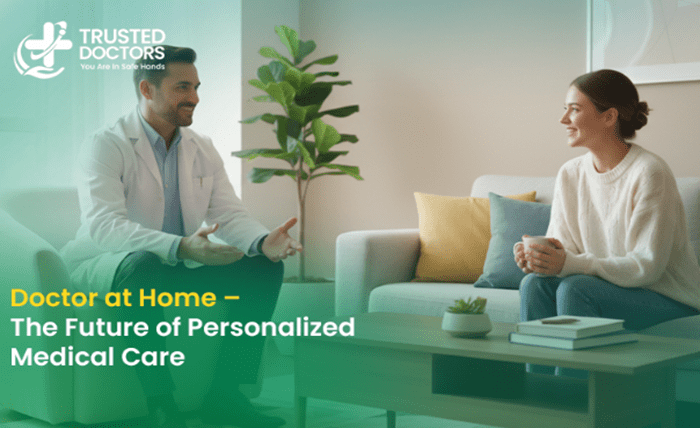
Healthcare no longer looks the way it did ten years ago. Daily life is faster, cities are crowded, schedules are full, and time often feels limited. Because of this, many patients are rethinking how and where they receive medical care. One option that keeps coming up is the doctor at home approach.
Instead of spending hours traveling to a clinic and waiting for a short appointment, patients can now receive care where they are most comfortable, at home. This model is not about luxury. It is about practicality, privacy, and better use of time. In a place like Dubai, where daily schedules are full, home-based medical care fits naturally into modern life.
This article looks at why doctor-at-home services are growing, how they support personalized care, and why more people are choosing this option for everyday health needs.
Why Doctor at Home Services Are Becoming More Common
Home medical care is not new. What is new is how practical it has become. Modern tools and trained professionals have made home visits safer and more reliable than before.
Life Does Not Slow Down for Appointments
Many people delay seeing a doctor for one reason. It feels disruptive because of traffic, parking issues, crowded waiting rooms, and appointments that often feel rushed. A doctor at home removes most of these problems.
When care is easier to access, people use it more responsibly. Multiple patient surveys suggest that convenience plays a major role in how people make healthcare decisions.
A Calmer Setting Changes Everything
Hospitals and clinics can feel stressful for some people. At home, patients are more relaxed. This matters more than many realize, as stress can affect the following:
- Symptoms,
- Blood pressure, and
- Communication
For children, older adults, and people with anxiety, home care often feels like a better starting point.
How Doctor at Home Care Feels More Personal
Personalized care is not just a medical term. It is about how care fits into real life.
Doctors See the Full Picture
A home visit shows things a clinic never will. Doctors notice how patients move around their space. They see daily routines and habits.
Small details matter, for example, doctors can notice the following things at home:
- Where medications are kept
- How easily a patient moves
- What daily life actually looks like
These observations help doctors give advice that works outside a clinic setting.
Conversations Feel Less Rushed
Clinic schedules are tight. Home visits usually allow more breathing room. Patients speak more openly. They take their time and ask questions they might otherwise skip. Doctors also explain more clearly.
This often leads to better follow-through and fewer misunderstandings later.
Preventive Care Works Better at Home
Preventive healthcare depends heavily on timing, and home-based care makes early action easier. The earlier an issue is noticed, the easier it is to manage. A lab test at home makes it easier to detect health concerns early, especially for people who struggle to visit clinics regularly.
Fewer Reasons to Delay Care
People often postpone routine checkups. Not because they do not care, but because fitting them in feels difficult. A home visit helps in removing that barrier.
Early care helps with the following:
- Chronic disease control
- Avoiding complications
- Reducing emergency visits
According to a study published in National Institutes of Health, early intervention lowers long-term healthcare costs.
Ongoing Monitoring Without Disruption
Doctor at home services work well for people managing long-term conditions.
This is especially helpful for people dealing with the following:
- Diabetes
- Blood pressure issues
- Heart conditions
- Recovery after surgery
Privacy Plays a Bigger Role Than People Admit
Privacy is a major reason many patients avoid clinics. Home care changes that. This is especially relevant for services such as STD test Dubai options, where privacy often influences whether people seek testing at all.
Sensitive Health Needs Feel Easier to Address
Some medical concerns feel uncomfortable to discuss in public settings. Requests for services like STD test Dubai options are often delayed for this reason. Home testing provides privacy without compromising medical accuracy.
When people feel safe and respected, they are more likely to take responsibility for their health.
A Familiar Space Reduces Anxiety
At home, patients feel in control. This lowers stress levels and improves communication. Doctors receive clearer information, which leads to better decisions.
Lab Test at Home Is Now a Practical Option
Diagnostic testing is no longer limited to clinics. A lab test at home has become a realistic choice for many patients.
What the Process Looks Like
In most cases, home testing works as follows:
- A trained professional visits the home
- Samples are collected safely
- Samples go to certified laboratories
- Results are shared securely
The process of lab test at home follows the same medical standards as clinic-based testing.
Why Patients Prefer Home Testing
Home testing is not becoming popular without reason. It offers various advantages. Some of the benefits are as follows:
- No travel or waiting rooms
- Lower exposure to illness
- Easier scheduling
- Privacy of data (especially for STD test Dubai)
- Better follow-through
Recent healthcare data from the region shows a clear rise in home diagnostic requests over the last few years.
Maintaining Quality in Home Healthcare
As interest in home care grows, quality becomes more important. Healthcare providers like Trusted Doctors focus on offering structured, reliable home medical services without lowering standards.
Patients can expect the following from professional providers:
- Licensed physicians
- Clear medical guidelines
- Reliable diagnostic support
This approach helps position doctor at home care as a reliable option, not an alternative of last resort.
How Technology Supports Safe Home Healthcare
Home healthcare would not be possible at this scale without technology.
Access to Medical Records
Doctors can review patient history during visits. This ensures continuity of care and avoids repeated tests.
Simple Monitoring Tools
Common devices used at home include the following:
- Blood pressure monitors
- Glucose testing devices
- Heart rate trackers
These tools support ongoing care between visits.
Easy Follow-Ups
Secure calls or messages allow patients to check in without another visit. This saves time while keeping care consistent.
When Doctor at Home Makes the Most Sense
Home visits are not for every situation, but they work well for many everyday needs.
They are commonly used for these concerns:
- Mild illnesses
- Follow-up appointments
- Chronic condition management
- Pediatric care
Emergency situations still require hospitals. Responsible providers make this clear from the start.
Limitations Worth Knowing
No healthcare model is perfect. Some healthcare concerns still need a clinic or hospital, as they cannot be done at home. For example,
- Advanced imaging,
- Surgeries, and
- Emergency treatment
Home care works best as part of a wider healthcare system.
Choosing the Right Service Matters
Patients should always check the following factors:
- Medical licensing
- Doctor credentials
- Laboratory accreditation
Safety should never be overlooked for convenience.
The Future of Home Care
Healthcare is moving toward flexible care models. Clinics, hospitals, telemedicine, and home visits will continue to exist side by side.
Industry forecasts suggest steady growth in home healthcare worldwide. This growth reflects patient behavior, not marketing trends.
In the UAE, where digital health services are widely accepted, doctor at home approach fits naturally into everyday healthcare.
Closing Thoughts
Home medical visits are changing how people experience medical care. They save time, protect privacy, and allow care to adapt to real life. From routine visits to private services like lab test at home, especially STD test Dubai requests, home-based care removes many common barriers.
Healthcare works best when it adapts to real life and meets people where they are. For many patients today, that place is home.